
NOAA’s Geophysical Fluid Dynamics Laboratory (GFDL) and Sofar Ocean, a leading ocean intelligence platform, have partnered to build innovative modeling systems that advance the state-of-the-art in marine weather forecasting and boost safety at sea.
GFDL and Sofar’s three-year Cooperative Research and Development Agreement (CRADA), which began in late 2024, combines parallel efforts at each organization to produce a coupled atmosphere-wave-ocean model that improves the accuracy of global marine weather forecasts and regional extreme weather scenarios.
Scientists at NOAA and Sofar are already leveraging preliminary versions of the coupled model to produce more accurate ocean weather forecasts and improve safety at sea for coastal communities, maritime shipping and other blue economy businesses.
“Our collaboration with Sofar explores the benefits of shared technologies and ideas in modeling the coupled Earth system,” said Lucas Harris, leader of GFDL’s Weather and Climate Dynamics Division. “By combining GFDL model components with observations from Sofar’s global Spotter network, we can build a model to produce highly accurate global marine forecasts.”
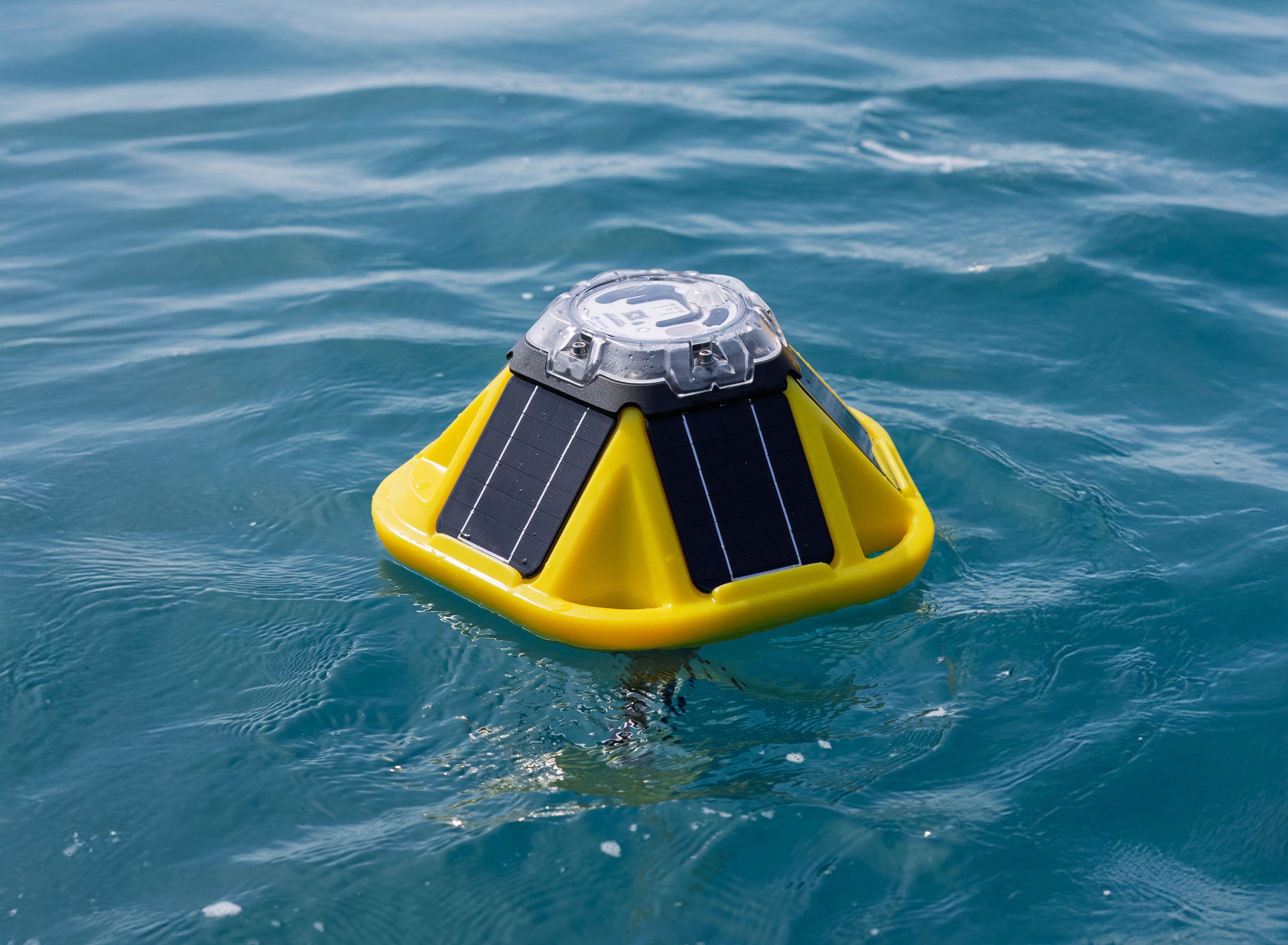
Under the CRADA, GFDL and Sofar share resources to accelerate model development. They leverage components from GFDL’s System for High-resolution prediction on Earth-to-local Domains (SHiELD) and Modular Ocean Model (MOM6), as well as the millions of real-time and historical observations made by Sofar’s global network of free-drifting ocean sensors, called Spotter buoys. These Spotter observations are used to calibrate models at the air-sea interface and initialize near real-time operational forecasts. Internally, Sofar also leverages AI to fine-tune model parameters.
“Public-private partnerships are essential for the advancement of marine weather forecasting in the U.S.,” said Stephen Penny, Head of Weather at Sofar. “Working together, GFDL and Sofar are uniquely positioned to advance the state-of-the-art in marine weather forecasting, helping enhance safety at sea and extreme weather preparedness.”
GFDL and Sofar’s experimental coupled model has already improved Sofar’s global marine weather forecast accuracy. For example, the model’s forecasts of wind speed are now outperforming other global forecast models in the South Atlantic Ocean and Indian Ocean tropics. Better predictions of wind speed improve forecasts of waves and other ocean variables, benefitting government end-users and coastal communities. These improved forecasts also enhance safety at sea for maritime shipping companies.
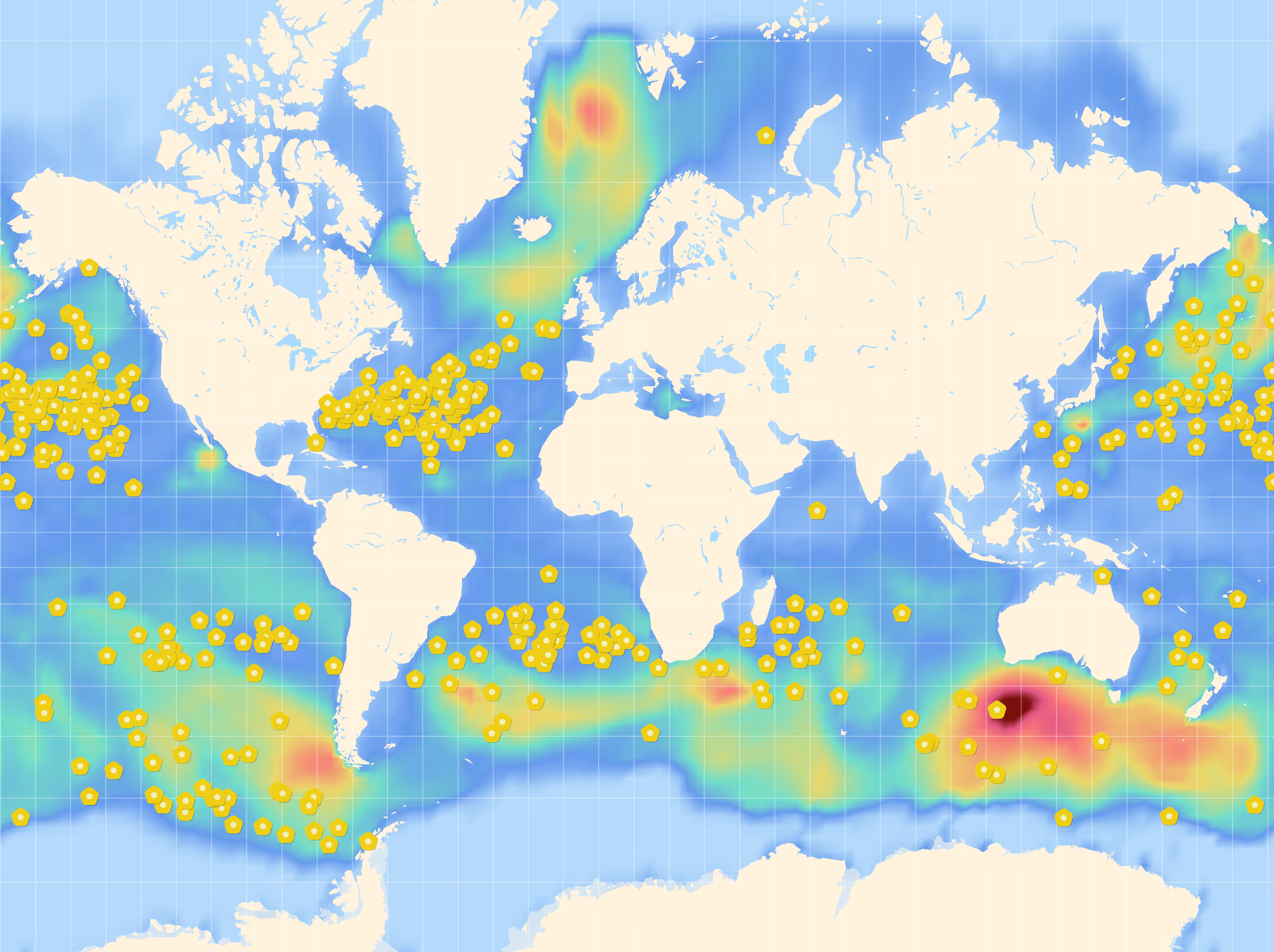
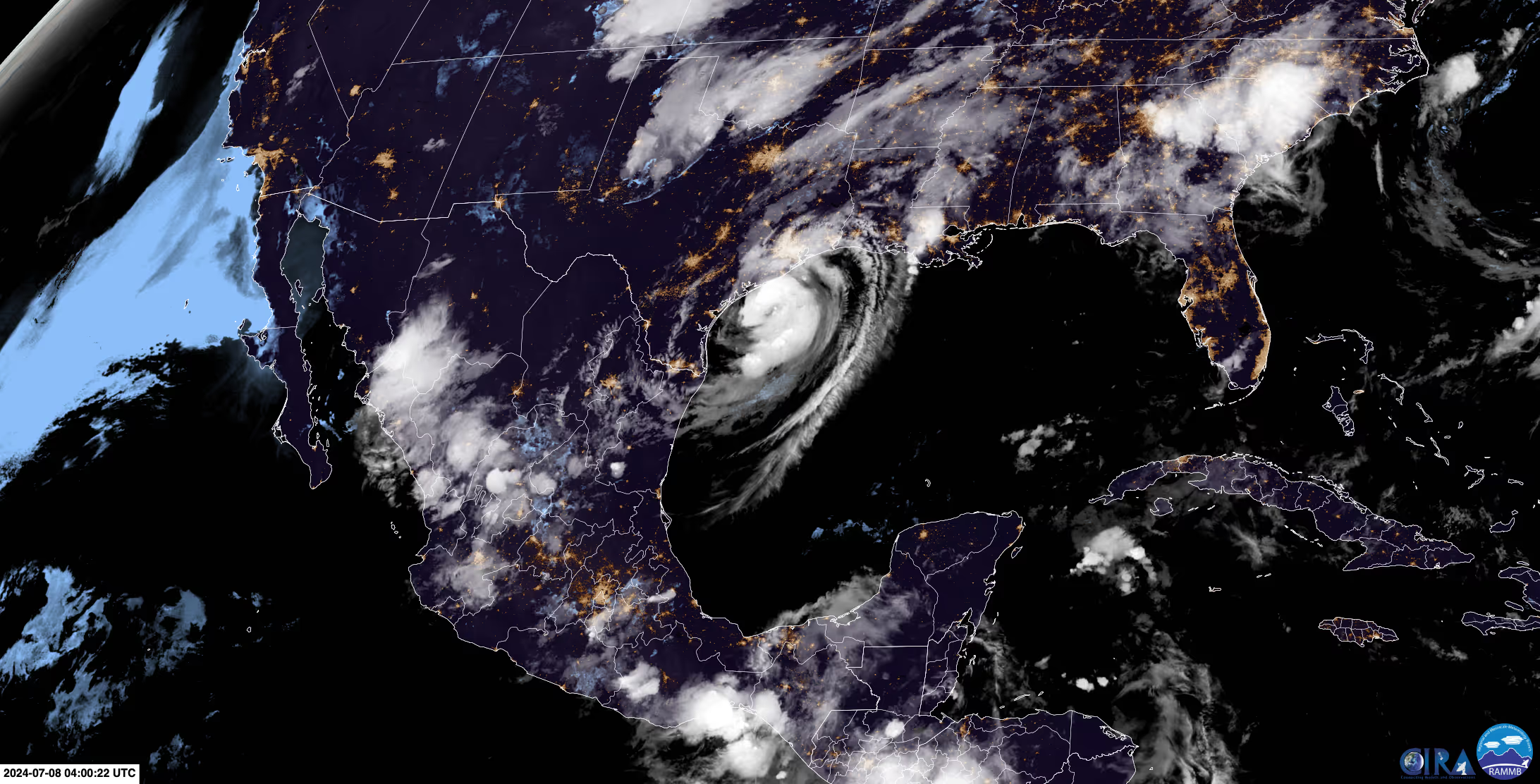
By assimilating observations made by Sofar’s global network of Spotter buoys at the air-sea interface, GFDL and Sofar fill the observational gaps left by other data sources. Spotters, for example, deliver highly accurate wave and weather data amidst the heavy convection, rain, and clouds typical of storms at levels not possible for satellites. Sofar and GFDL, along with NOAA’s National Hurricane Center, leverage these Spotter observations to calibrate extreme weather models and initialize near real-time operational storm forecasts.
The cooperative agreement with GFDL is Sofar’s third CRADA with NOAA. NOAA’s National Data Buoy Center is working with Sofar to advance marine observations and environmental monitoring. NOAA’s National Weather Service National Center for Environmental Prediction Environmental Modeling Center is engaged in a CRADA with Sofar to optimize physics parameterizations in its WAVEWATCH III (WW3) wave model.
---
About Sofar Ocean
Sofar Ocean is the leading ocean intelligence platform. We’ve built the world’s largest real-time ocean network, turning billions of measurements into insights trusted by scientists, governments, and shipping fleets. Our technology makes the ocean more predictable and sustainable, helping customers save costs, cut emissions, and unlock insights that were once out of reach.
About NOAA’s GFDL
GFDL is focused on comprehensive long-lead-time research that is fundamental to advancing the scientific understanding of the physical, dynamical, chemical and biogeochemical processes governing the behavior of the atmosphere, oceans, land, and ice components and their interactions with the ecosystem. Scientists at GFDL develop and use Earth system models and computer simulations to improve our understanding and prediction of all aspects of the climate system. GFDL scientists focus on model-building relevant for society, for hurricane research, weather and ocean prediction, seasonal forecasting, understanding regional and global climate change, and more. GFDL has pioneered much of the world’s research on the modeling of climate since 1955.

.avif)