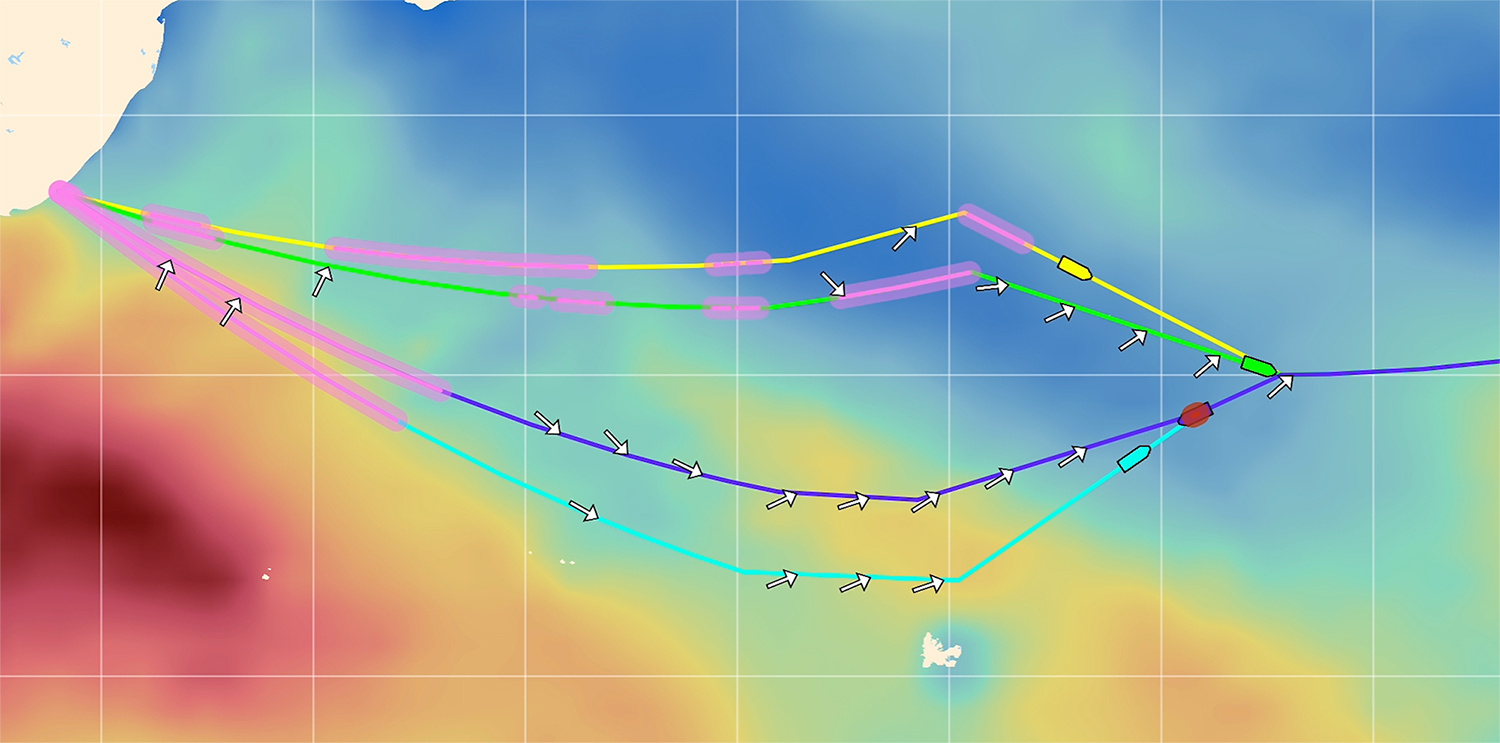
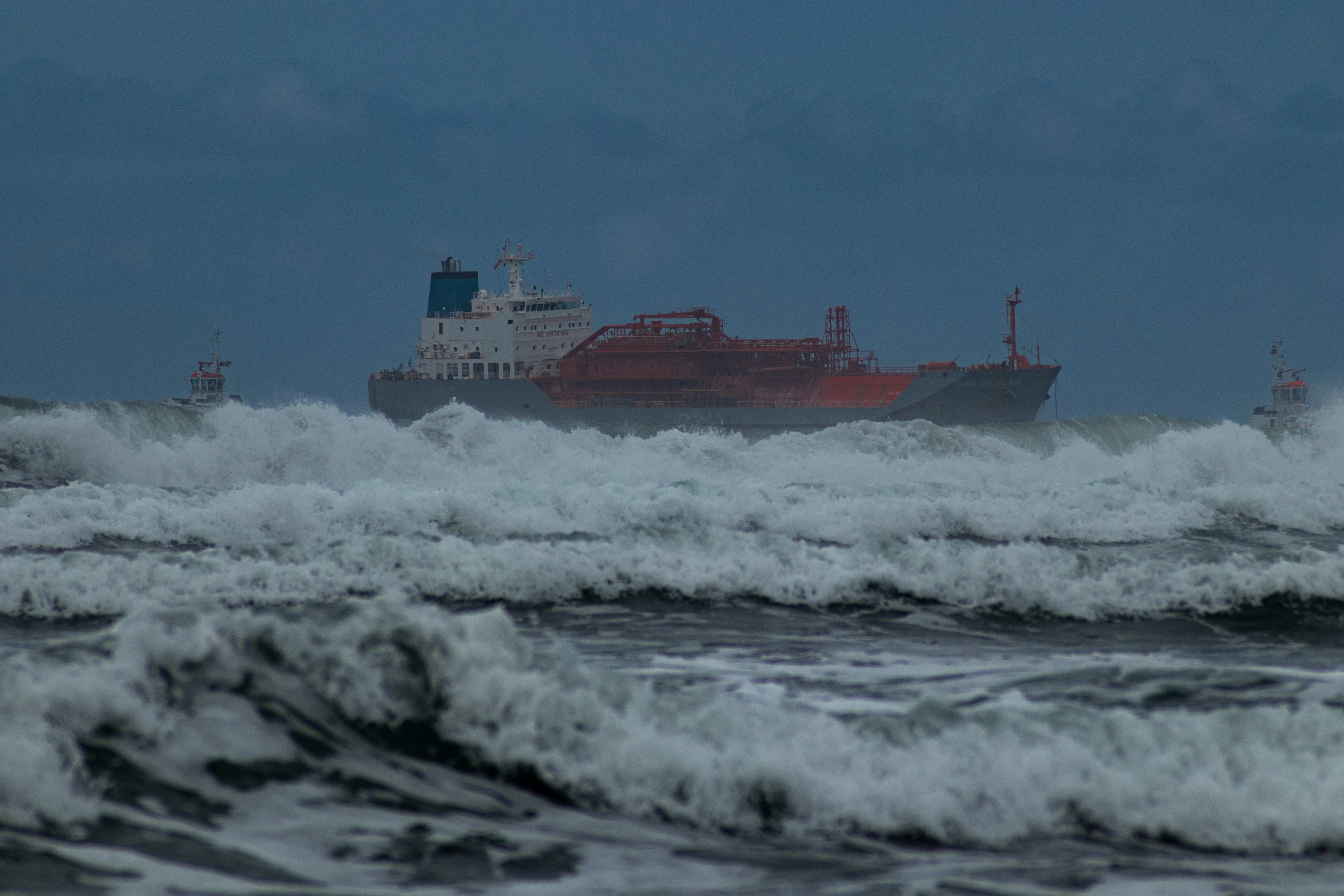
Out at sea, performance is never a single number. The same engine setting can mean very different outcomes depending on wind, waves, and current, and those differences compound quickly into fuel burn, arrival time, and risk. Operators make these tradeoffs every day, often relying on experience or models that work well enough in calm water but may fail as conditions worsen. That gap between assumptions and reality is where costs creep in and confidence erodes.
Our Vessel Performance Modeling (VPM) system - a practical digital twin - exists to make those tradeoffs explicit under real conditions. If you’ve got light wind waves on the stern, a heavier beam swell, and a strong current, what does “65 RPM” actually achieve? What speed do you get, and what will it cost in fuel?
Plenty of systems claim to be fast and accurate. At Sofar, we built one that actually delivers both, and it’s trusted by the likes of MOL, StarBulk, Dorian LPG, and Berge Bulk.
Best in class performance comes from a hybrid approach that combines physics-based modeling with AI, integrating real-time observations and wave forecasts that are continuously informed by direct measurements from our Spotter ocean sensor network (more on that below).
Wayfinder (our voyage intelligence platform) can complete a VPM calculation in roughly 20 milliseconds in a user’s browser, even offline. No other voyage optimization system delivers vessel-specific, physics-based performance modeling at this speed, client-side. This makes it possible to explore what if scenarios instantly, using full balance of forces calculations.
.avif)
When we set out to build Sofar's VPM, it was tempting to treat vessel performance purely as a data problem. If we could observe how a ship responded to weather in the past, we should be able to predict how it will respond to similar conditions in the future.
In practice, there is not enough high quality data to support that approach, especially outside of calm conditions. Noon reports are available daily from most vessels and are widely used across the industry, but they are manually entered, often incorrect or incomplete, and represent averages over an entire day rather than point in time performance. As a result, they systematically underrepresent rough conditions, when routing decisions matter most.
For that reason, our system starts with a balance of forces physical model. It accounts for vessel characteristics such as hull length, cross section, and propeller information, as well as environmental forces including currents, wave height, and other weather variables. Resistive forces such as air resistance, water resistance, and wave making resistance are balanced against propulsion from the main engine and sail propulsion where installed.
Physical modeling is the backbone of our system. Even without historical noon report data, the physics model provides a strong baseline, with fuel error on the order of ten percent. This accuracy matters because fuel error translates directly into cost. More accurate performance modeling enables better routing decisions, tighter speed control, and more reliable arrival estimates, with real financial and emissions impact.
While a key part of our approach, we knew we couldn’t rely on physics alone. Models based purely on first-principles physics are subject to bias, including large constant offsets in fuel and speed predictions, because real ships vary in ways that are not fully captured by reported characteristics. Vessel performance also changes over time due to biofouling, cleaning, damage, and other operational factors.
To address this, our VPM recalibrates each vessel’s model daily as fresh operational data arrives. Key coefficients are adjusted so the model’s predictions remain aligned with the vessel’s current behavior.
Data sanitization is a critical part of this process. Manual reporting errors are filtered out so that noisy or incorrect entries do not skew training or evaluation.
The result is a vessel-specific model that evolves over time rather than remaining static, better reflecting how vessels actually operate in the real world.
Weather inputs, particularly waves, are a major source of error in performance modeling. If we cannot accurately know which weather conditions the vessel experienced, then we cannot accurately tune the vessel's response to those conditions.
And if there is one thing Sofar does better than anyone, it’s weather forecasts. Sofar designs, builds, and launches Spotters, surface buoys that measure weather variables such as wave statistics, barometric pressure, and more. Our dedicated fleet collects data across the world’s oceans to power the Sofar Wave Forecast, which is optimized specifically for maritime routing and is the only true Ocean forecast.
Unlike forecasts designed for average conditions, we tune our wave forecast to perform well in heightened sea states. The difference between six meter and seven meter waves is far more operationally significant to a ship master than the difference between two and three meters, because operational limits and comfort and safety thresholds often live in that upper range.
At its core, our VPM system couples vessel physics with these weather forecasts. Improvements in wave height, wave frequency distribution, and related variables directly benefit both the physical modeling layer and the AI based calibration layer.
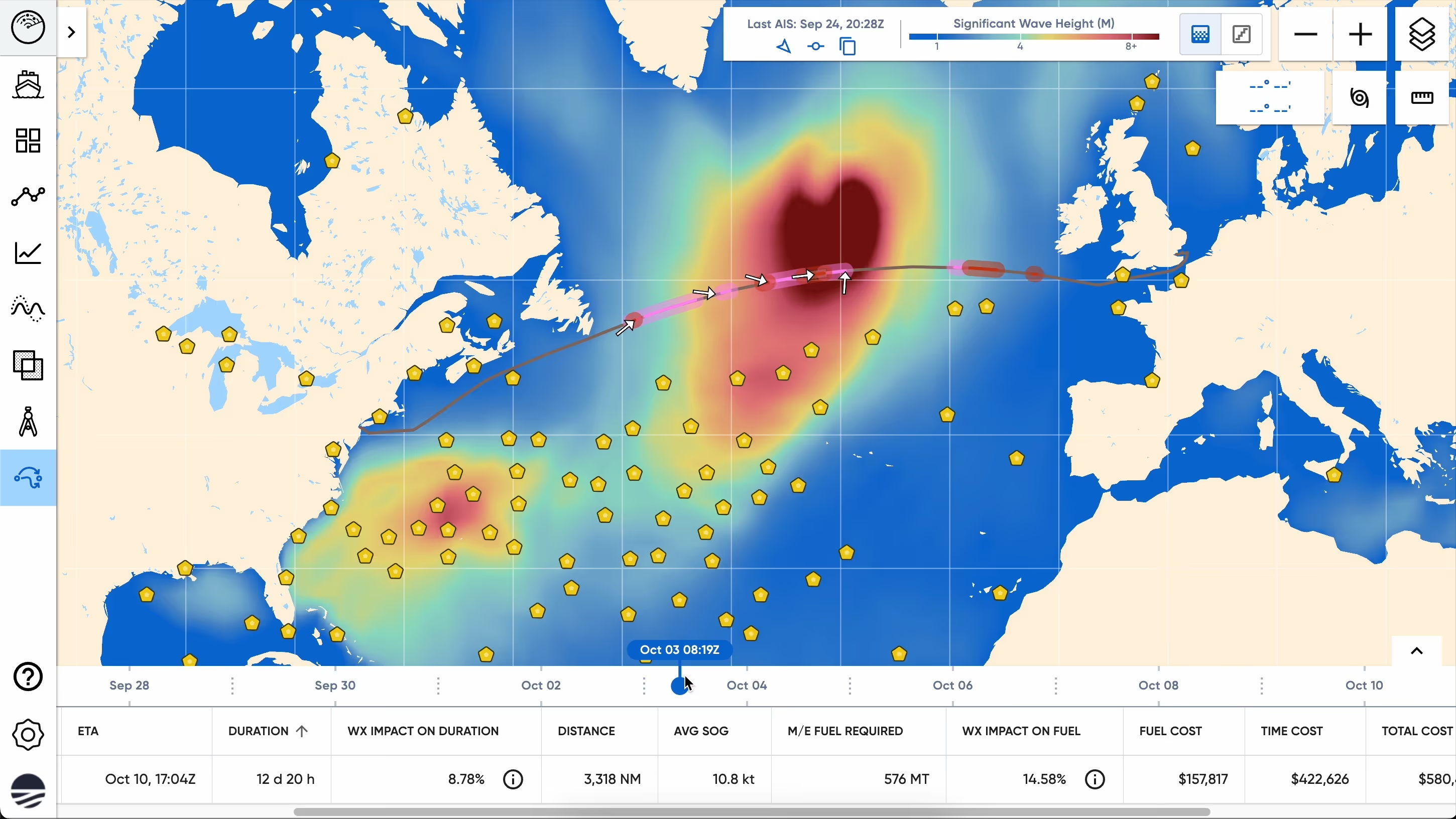
Most VPMs run on the server side, are not built for interactivity, and take minutes to return results. That can be sufficient when calculating the cost of a single route. But we know real life is more dynamic. Operators may need to experiment with several vessels for the same fixture. Masters need to adjust in real time for storms and immediately understand whether deviations are permissible or affect their ability to meet the laycan.
A fast VPM system allows humans and algorithms to work together rather than sequentially.
To make this possible, we have implemented our physics modeling system and route finding algorithms so they can be cross compiled into the browser. Because these systems were built in house using modern development tools, full balance of forces calculations can run client side without sacrificing fidelity.
The result is vessel specific performance predictions you can trust, fast enough to explore options in real time and precise enough to know you are choosing the best route.

Fast, accurate VPMs are not the result of a single technique. They come from doing many hard things well at once: physics-based modeling that works beyond calm seas, calibration that keeps pace with real vessels, weather inputs grounded in direct observation, and engineering that makes all of it usable in real time. That combination is rare. It is also the standard we hold ourselves to.
We have previously shared our Voyage Simulator, which was the first major external launch putting these fast VPMs into customers’ hands. Demos are available here. Andrew has also written about the challenges of getting full performance models to run in the browser.
The VPM Explorer demo shows the system in action by generating speed fuel curves on the fly using full balance of forces calculations. Each point is calculated independently rather than fitted, and once loaded the tool responds instantly as weather conditions change. Current, wave direction, and wave period all directly affect vessel performance.