Since diesel engines became dominant, wind has been treated more often as a source of schedule risk than a source of propulsion.
That’s changing.
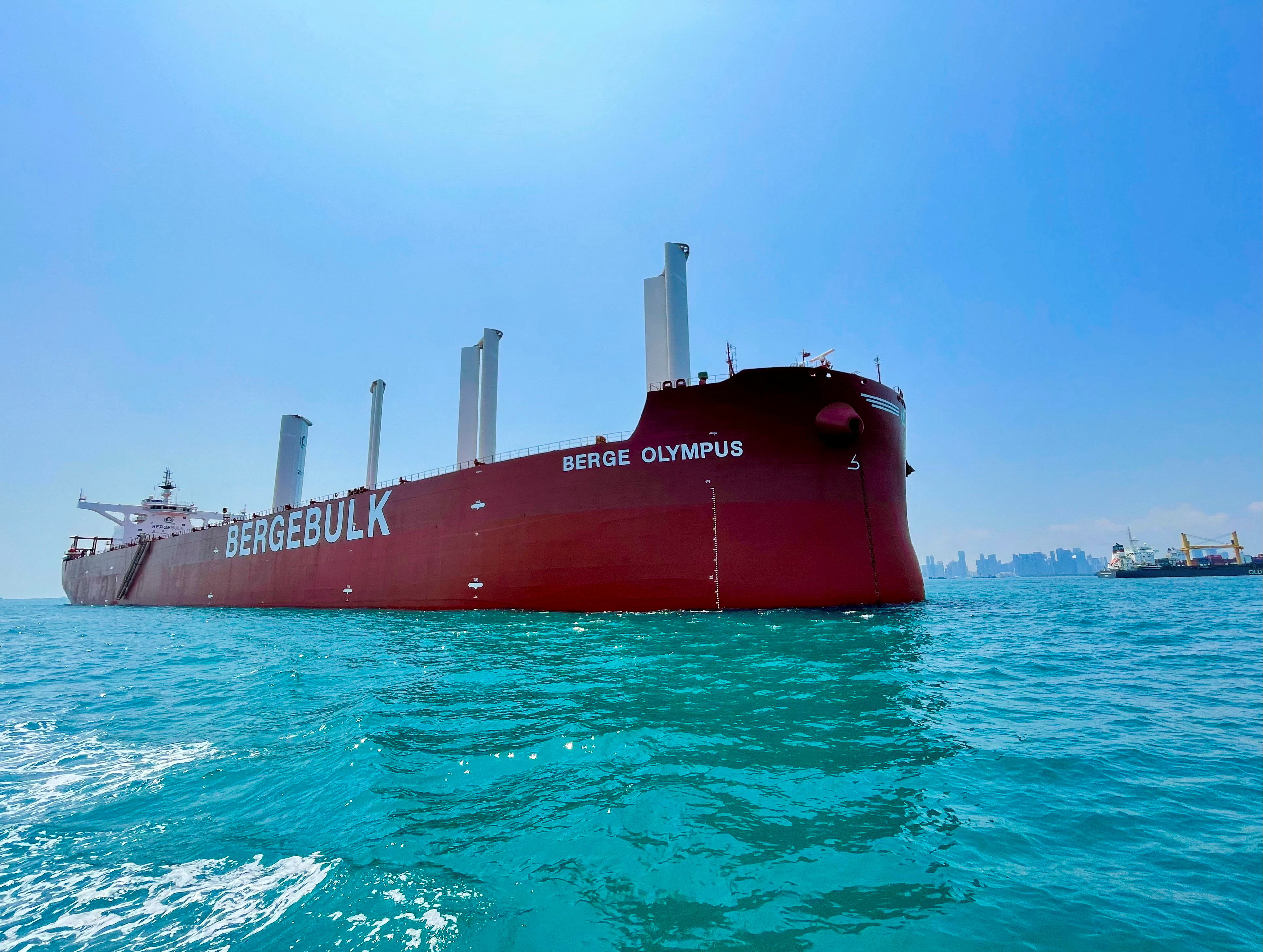
There are now more than 100 vessels on order or operating with wind-assisted propulsion systems. Tightening regulatory pressure (FuelEU, ETS, CII), maturing hardware (rotor sails, wings, and kites), and the growing availability of high-resolution environmental data and route optimization are driving momentum.
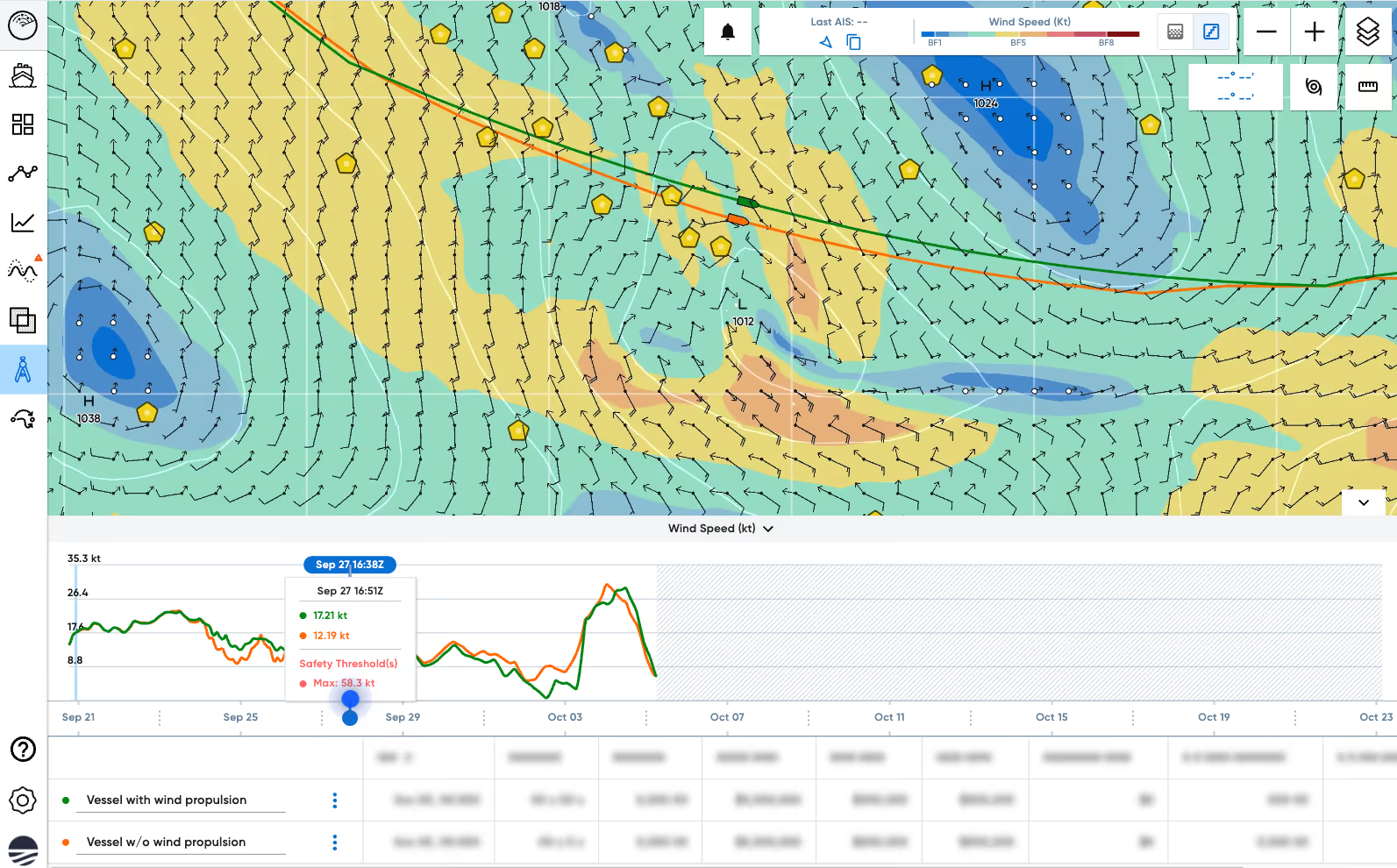
In this presentation, Sofar’s Principal Scientist Pieter Smit shows how Wayfinder's vessel performance model (VPM) can represent wind-assisted propulsion within a physics-based framework as a digital twin and turn wind from an uncontrolled boundary condition into measurable, reportable propulsive value.
In practical terms, wind becomes a line item you can quantify on every voyage.
Wind is back - and now it’s optimisable
Wind-assisted propulsion is increasingly used as an operational efficiency lever: reducing fuel burn and emissions while improving performance against tightening efficiency expectations. Wind-assisted propulsion performance is context-dependent. Delivered benefit varies with apparent wind magnitude and angle, sea state, loading condition, speed regime, and onboard operating decisions - and it can be amplified (or squandered) by routing choices.
To capture the upside consistently depends on understanding - and being able to act on - the winds, waves, and currents on your route.
That variability is exactly why credible modelling matters: without a validated performance model, it’s difficult to forecast benefit, separate device contribution from routing and operations, and report savings in a way that holds up to scrutiny.
Crucially, the objective is not to maximise “sail time”. It’s to maximize voyage outcome within operational constraints: fuel, schedule, cost, and, ultimately, earnings.
Because effectiveness depends strongly on apparent wind angle, the energy-optimal route may differ from the shortest path on the chart. Optimization can justify controlled deviations to intercept more favourable wind and current corridors, trading distance against time and energy to protect schedule while improving net performance.
The presentation brings this to life with clear visuals: how wind angle changes performance, why benefits vary day-to-day, and how modelling makes outcomes auditable and bankable, rather than anecdotal.
If you want to assess whether wind-assisted propulsion will pay off on your routes and operating profile, let's chat.