Natsu Miyazaki was drawn to maritime by the sheer scale of ships. Today, as part of Mitsui O.S.K. Lines' DarWIN project, she works at the intersection of data, technology, and decarbonization, collaborating across ship operators, technical teams, and external partners like Sofar Ocean to turn data-driven insights into real operational impact at sea.
In honor of International Day for Women in Maritime, we reached out to Miyazaki-san to hear how real-time ocean intelligence is shaping decisions at one of the world's largest shipping companies, and where she sees the industry heading on decarbonization.
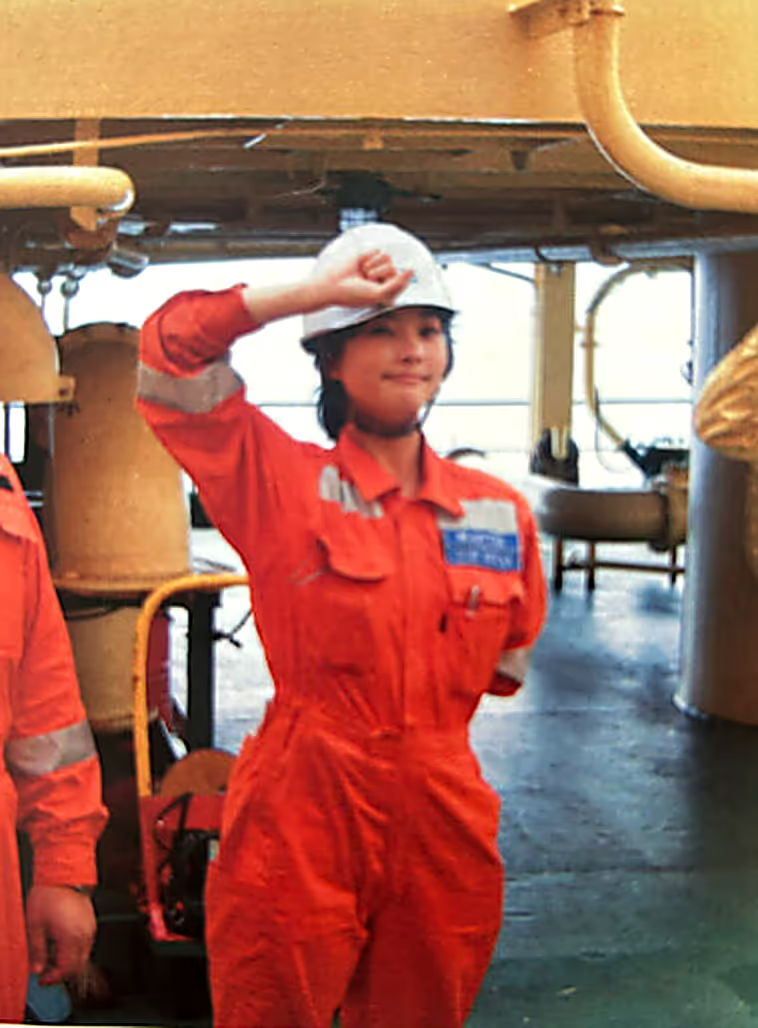
I currently work at Mitsui O.S.K. Lines, focusing on GHG reduction through the “DarWIN project”. This is an integrated initiative that combines vessel’s (1) specification improvements, (2) condition maintenance, and (3) optimal operation, supported by data and digital technologies, to enhance improvement in fuel efficiency.
In this project, my role involves collaborating with ship operators, technical teams, marine teams, data teams, and external partners such as Sofar Ocean to ensure that data-driven, environmentally sustainable solutions are effectively implemented onboard and translated into real operational impact.
What first drew me to the maritime industry when I was a university student searching for a career path was the sheer scale and presence of ships.
Over time, that initial fascination evolved into a deeper interest in the industry itself. I came to realize that shipping operates on a truly global scale and supports almost every aspect of daily life. That combination of physical scale and global impact is what ultimately made me want to be part of the maritime industry.
Real-time ocean and weather intelligence has become increasingly critical in operational decision-making, not only for ensuring the safe operation of vessels but also for improving fuel efficiency and reducing emissions.
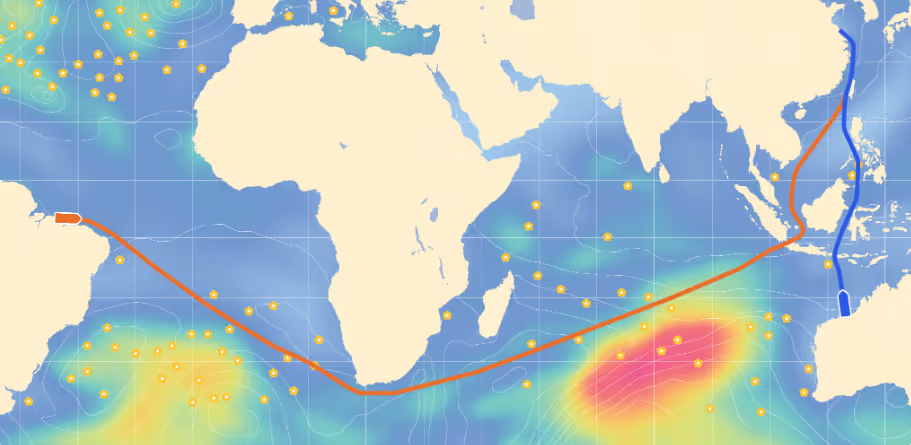
At MOL, we have been advancing initiatives such as the “DarWIN project” mentioned above to better utilize this intelligence in both decision-making and actual vessel operations. Within this framework, solutions such as Wayfinder play a key role in the "optimal operation" domain by utilizing real-time ocean and weather data to translate complex information into practical guidance for both onboard crews and shore-based teams.
In practice, this allows us to make more informed routing and speed decisions based on real-time conditions. It improves safety and fuel efficiency, while also contributing to GHG emissions reduction, and enables better alignment between onboard crews and shore-based teams, allowing decisions to be made based on a shared, data-driven understanding of the situation.

One of the biggest opportunities lies in leveraging digital solutions to bridge the gap between data and actual operations. Initiatives like the “DarWIN project” have already demonstrated that, when properly implemented, they can improve visibility, optimize vessel performance, and support decarbonization efforts.
Going forward, the focus will be on increasing adoption, improving usability, and integrating multiple data sources to create a more seamless decision-making environment. In particular, scaling these initiatives across fleets and extending them to stakeholders such as charterers will unlock even greater value.
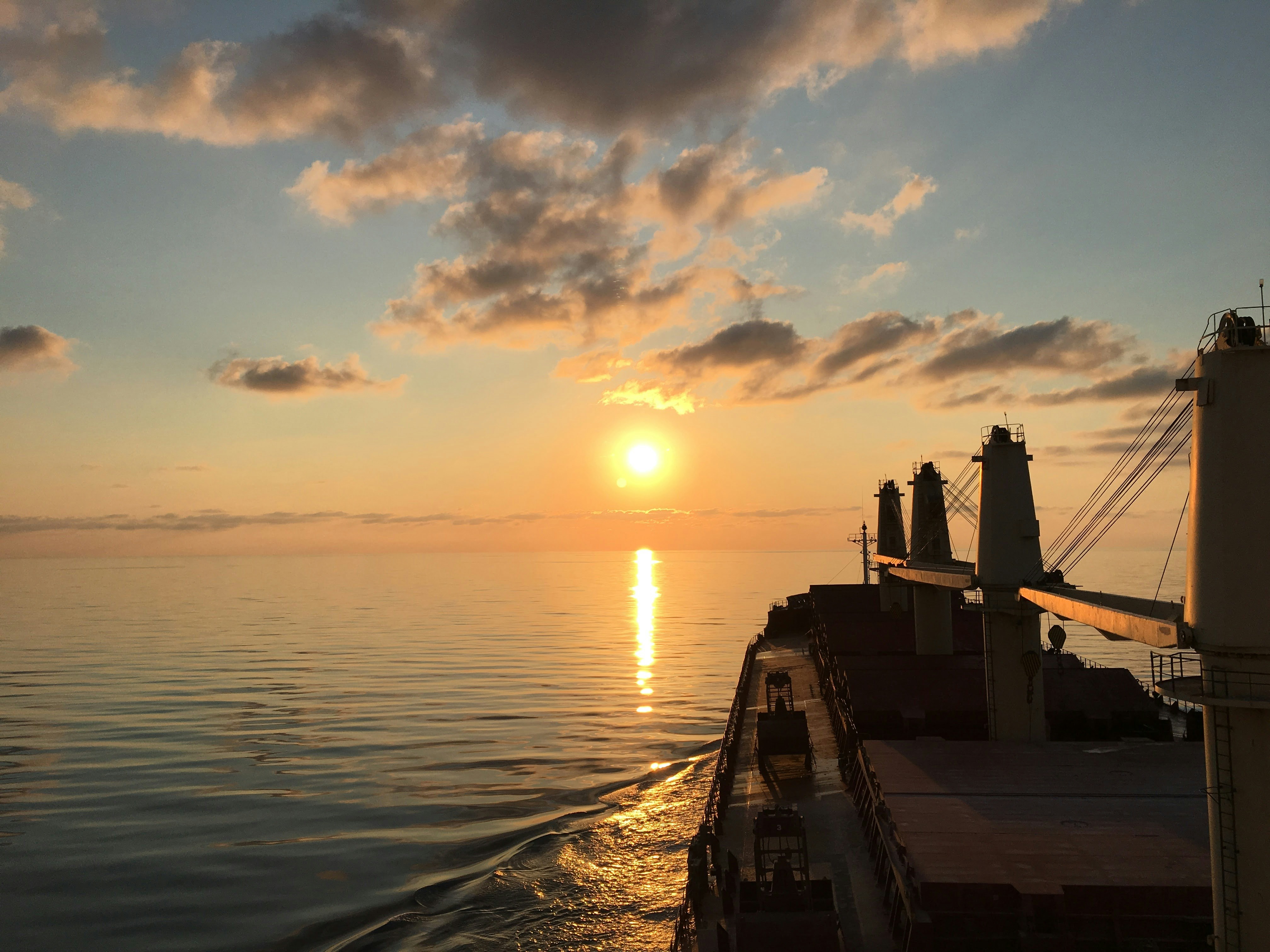
Not a specific body of water, but one experience that left a lasting impression on me was my onboard training, where I had the opportunity to sail and experience life and work at sea firsthand.The knowledge I gained there, as well as the connections I built with the crew, remain very important to me even today.Because of that experience, I feel that I would like to go back to the sea again—regardless of where—if I have the opportunity. At MOL, this onboard training is typically a once-in-a-career opportunity, but if I had the chance, I would very much like to experience it again!