
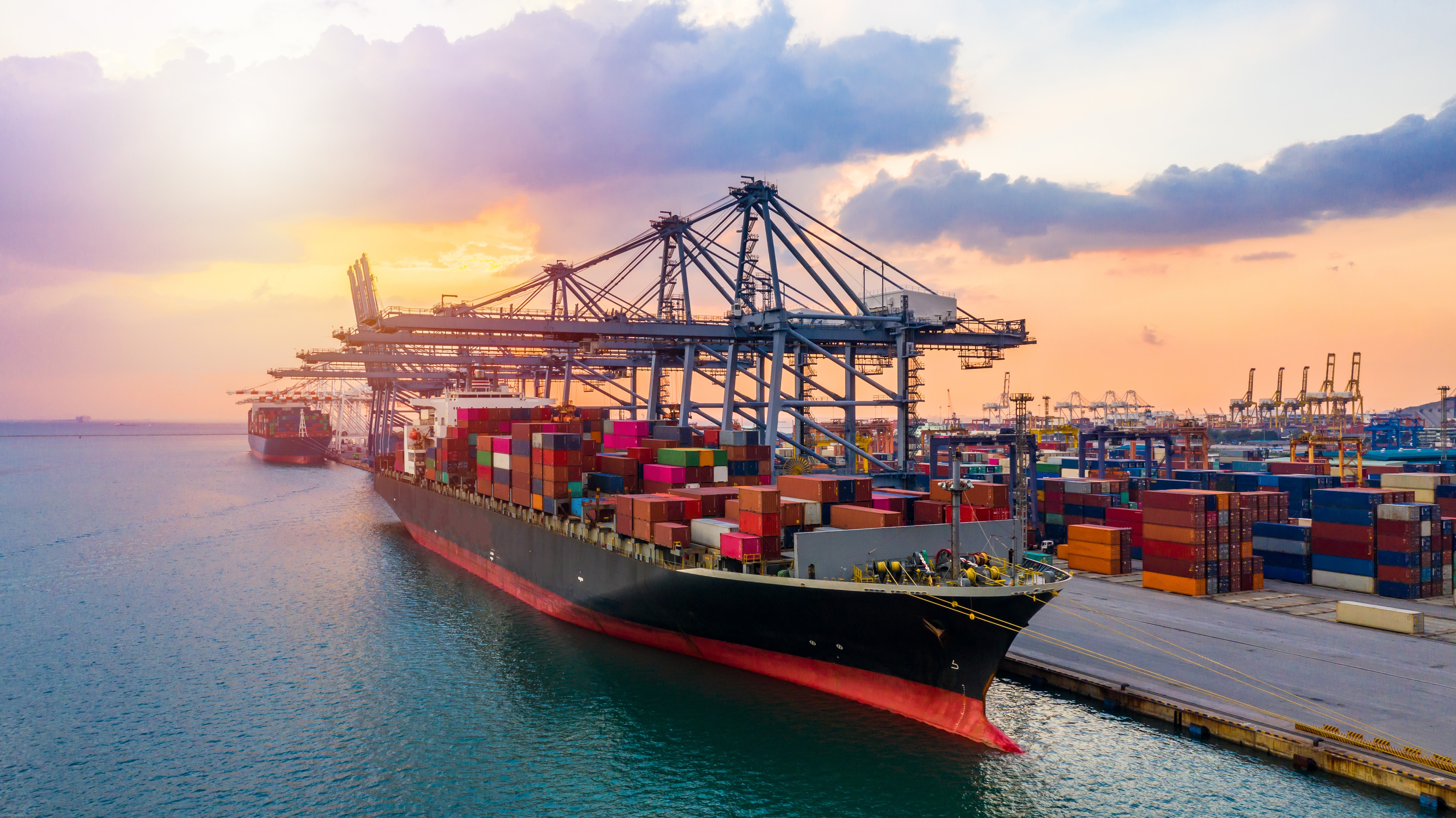
Mayank spent more than a decade at sea, sailing major trading routes through every kind of weather and operational challenge. Those years gave him a firsthand understanding of how forecasts, schedules, commercial pressure, and daily life onboard all shape the decisions made during a voyage. They also taught him to stay adaptable and think ahead, and that every vessel and every voyage comes with its own set of challenges.
He moved ashore into weather routing and vessel operations three years ago, drawn to Sofar Ocean by its approach to ocean data: deploying Spotters ahead of tropical storms and hurricanes to collect real-time observations in the environments where forecasts matter most. At Sofar Ocean, Mayank supports maritime weather routing and voyage optimization through Wayfinder, keeping the practical realities of ship operations in view when advising Masters and shoreside teams.
What first caught my attention about Sofar was its approach to ocean data. Having spent years at sea, I know that some of the most important decisions are often made in areas where observations can be limited and conditions can change quickly.I was particularly impressed by Sofar's work deploying Spotter buoys ahead of tropical storms and hurricanes. Collecting real-time observations from those environments isn't easy, and it showed me that the company is focused on improving what we know about the ocean, not just interpreting existing forecasts.What resonated with me most was how that data can make a real difference to mariners. Better observations help improve forecasts, and better forecasts help support safer, more efficient voyages. Being able to combine my seagoing experience with a team that's working to improve decision-making at sea made Sofar a natural fit for me.
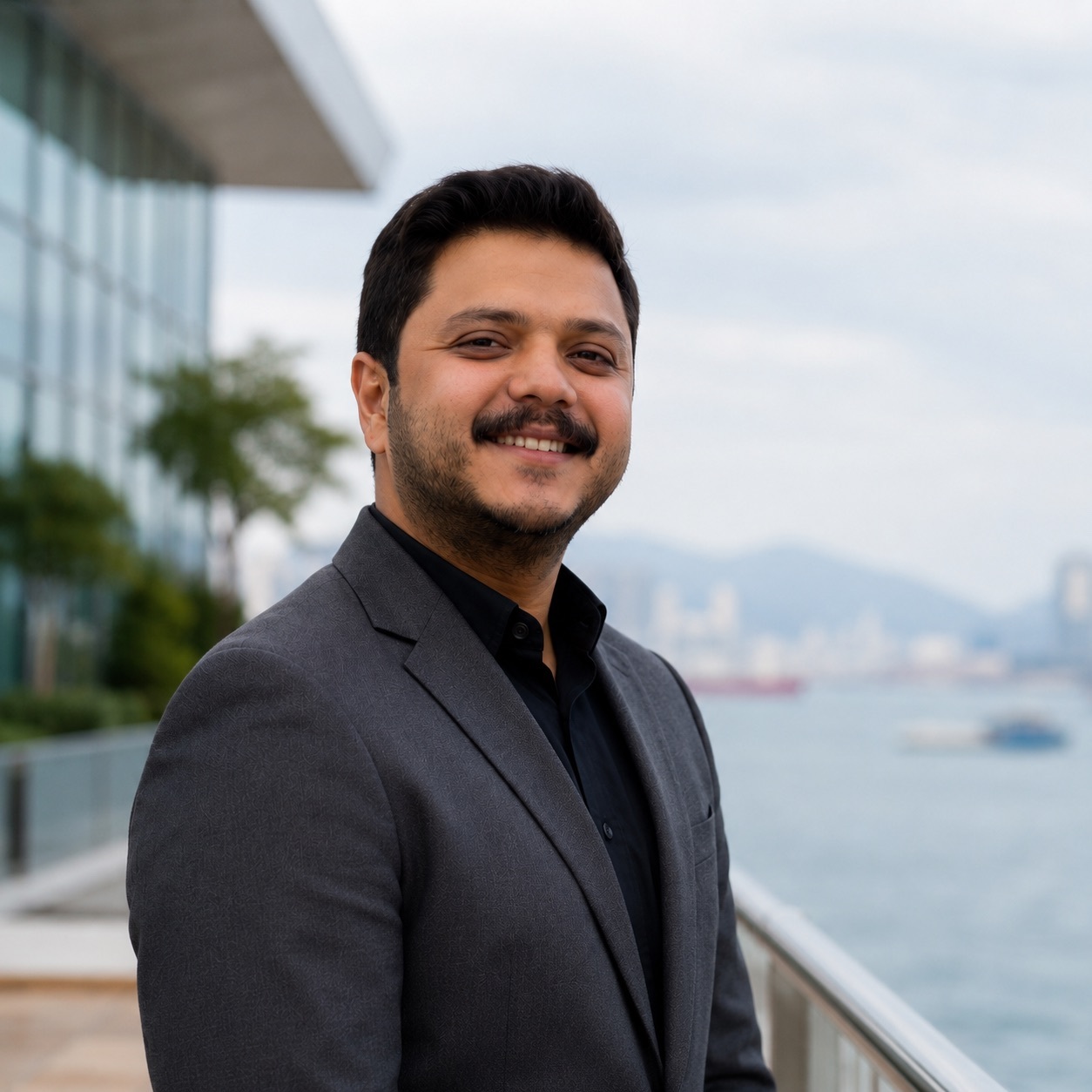
For me, the most rewarding part is helping vessels when the weather doesn't go as expected and decisions become more difficult. Out at sea, I know how valuable it is to have reliable support available when conditions start to deteriorate and uncertainty begins to creep in.It's also rewarding to take the forecast, the vessel's capabilities, and the voyage requirements and turn them into practical guidance that can help support the Master and crew. Knowing that our input can provide reassurance and help them make decisions with greater confidence, especially during challenging weather, makes the job worthwhile.Beyond that, it's satisfying to see how good voyage planning can lead to safer voyages, improved fuel efficiency, lower emissions, and more sustainable operations. The fact that every voyage presents a different challenge means there's always something new to learn.
When conditions are changing quickly, the first step is understanding what's causing the change and how much confidence there is in the forecast. Recent weather events have shown that conditions don't always develop exactly as expected, so it's important to keep an open mind and be prepared for different possibilities.There is rarely a single "best" route. Different vessels, cargoes, schedules, and operational priorities often require different approaches, even when facing the same weather system. When forecasts change, the focus is on understanding what that means for the vessel and whether action taken early can provide better options later in the voyage.Just as important is communication. Keeping the vessel, operators, and routing team informed helps ensure everyone has the same picture of how conditions are evolving. From experience, the best decisions are usually neither rushed nor delayed—they're made at the right time with the best information available. Knowing that conditions are being continuously monitored and that support is always available gives Masters and operators confidence when conditions become uncertain.
One of the biggest challenges today is uncertainty. Weather can change quickly, forecasts can look very different from one update to the next, and operational or geopolitical issues can affect a voyage with little warning. At the same time, vessels are expected to stay on schedule, operate safely, control fuel costs, and reduce emissions.That's where routing can help. It's not just about suggesting a route—it's about helping Masters and operators understand the situation, what the risks are, and what options are available as conditions change. Sometimes, a small adjustment made early can make a big difference later in the voyage.There is rarely a perfect decision when planning or executing a voyage. More often, it's about making the best decision with the information available at the time. Having continuous support, regular updates, and someone monitoring how conditions are evolving helps Masters and operators stay ahead of potential issues and make decisions with greater confidence.