Sofar Ocean's routing team works around the clock to help vessels navigate safely and efficiently. Routers analyze real-time marine weather alongside vessel performance data, weighing safety against economics to present crews and operators with every viable option before critical decisions. In sensitive weather situations, that human expertise matters. Whether a tropical system threatens a key shipping lane or a winter storm bears down on a high-traffic passage, the team draws on deep meteorological experience, marine weather intelligence, and close collaboration to make sure captains have the full picture.
Caleb brings a strong atmospheric science foundation to the team, with experience spanning both cargo ship routing and surf forecasting on one of the world's leading platforms. He first encountered Sofar Ocean as a forecaster, turning to its ocean sensor network to validate marine forecast accuracy across remote coastal regions where observational data was otherwise sparse.
At Sofar Ocean, Caleb contributes both routing experience and a collaborative approach that crews and colleagues count on when conditions get complicated. He takes pride in working through high-pressure scenarios alongside his team, knowing that a second opinion almost always leads to a stronger solution and better voyage optimization for everyone involved.
Surprisingly, it was while I was forecasting for surfers, not ships, that I really started to follow what Sofar was doing. While forecasting for Central America, I noticed that the observational data in these remote tropical areas was very limited and that a popular resource being used was the Sofar buoys in the South Pacific. Observations from these buoys were an essential resource to determine if the models were accurately forecasting swells thousands of miles away in the South Pacific as this could have a major impact on the surf at a beach in Central America a week+ out from the swell actually arriving. This piqued a strong interest in the company which led me to visiting the site often before I found a Routing Specialist job. Given my previous routing experience, it was an easy decision for me to reach out to the routing team and give the shipping industry another crack with an innovative company.
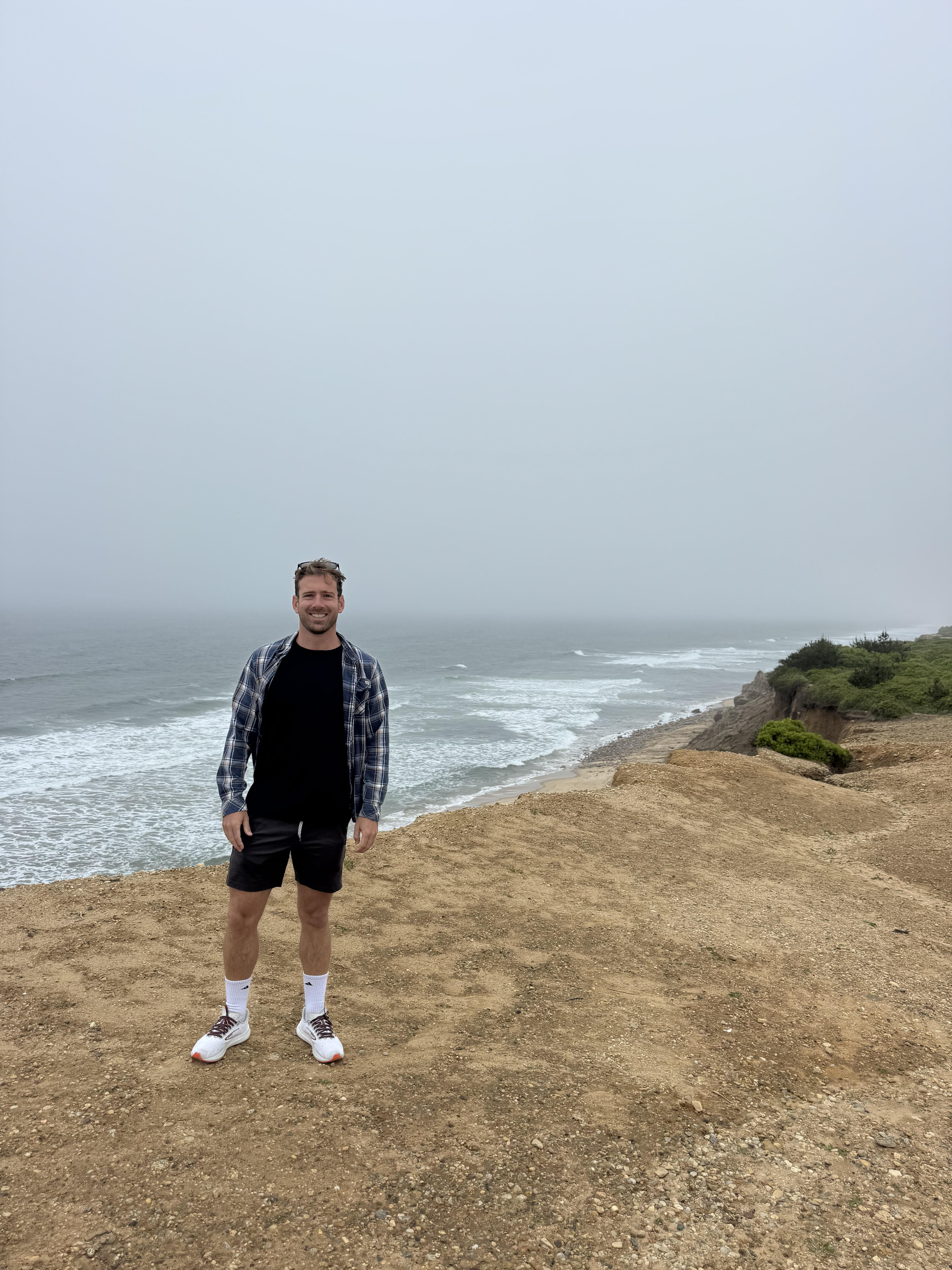
As a weather nerd and ocean addict, being able to analyze weather maps around the world’s oceans is always going to be the most fun part of the job. While that is the most fun part, the most rewarding aspect is working with a small team of individuals that are so knowledgeable and truly care about their work here at Sofar. I have previous experience in the industry, but Sofar is changing the game and after nearly a year, I am still learning so many new things from this team about the shipping industry and how we attack challenges in the shipping world.
The factors that really matter are relying on my past experience and collaborating with my team to find a safe solution that still meets the client’s specific needs. We all have a strong meteorology/forecasting background and know all the typical route options in those high traffic routing regions. That said, in those highly sensitive situations, it is easy to overlook a possibility that another router might consider. A second (or third) opinion almost always leads to a more thorough analysis and optimal solution that benefits all parties involved.
The biggest challenge is balancing safety with economics and understanding when to make a decision during highly sensitive weather situations. Oftentimes, it is easy to see the model forecast along a route and want to make a knee jerk decision, but it’s never that simple. Having the human influence of the routers who have seen almost every sensitive weather situation around the globe gives our customers the confidence that they will be presented with every viable option, ensuring the safety of crew/cargo while also keeping operators/charterers well informed. Whether it’s a concern with a tropical system in the South China Sea or a persistent winter storm pattern impacting the English Channel, we provide all the relevant potential scenarios so that captains can make the best decisions for all parties involved.