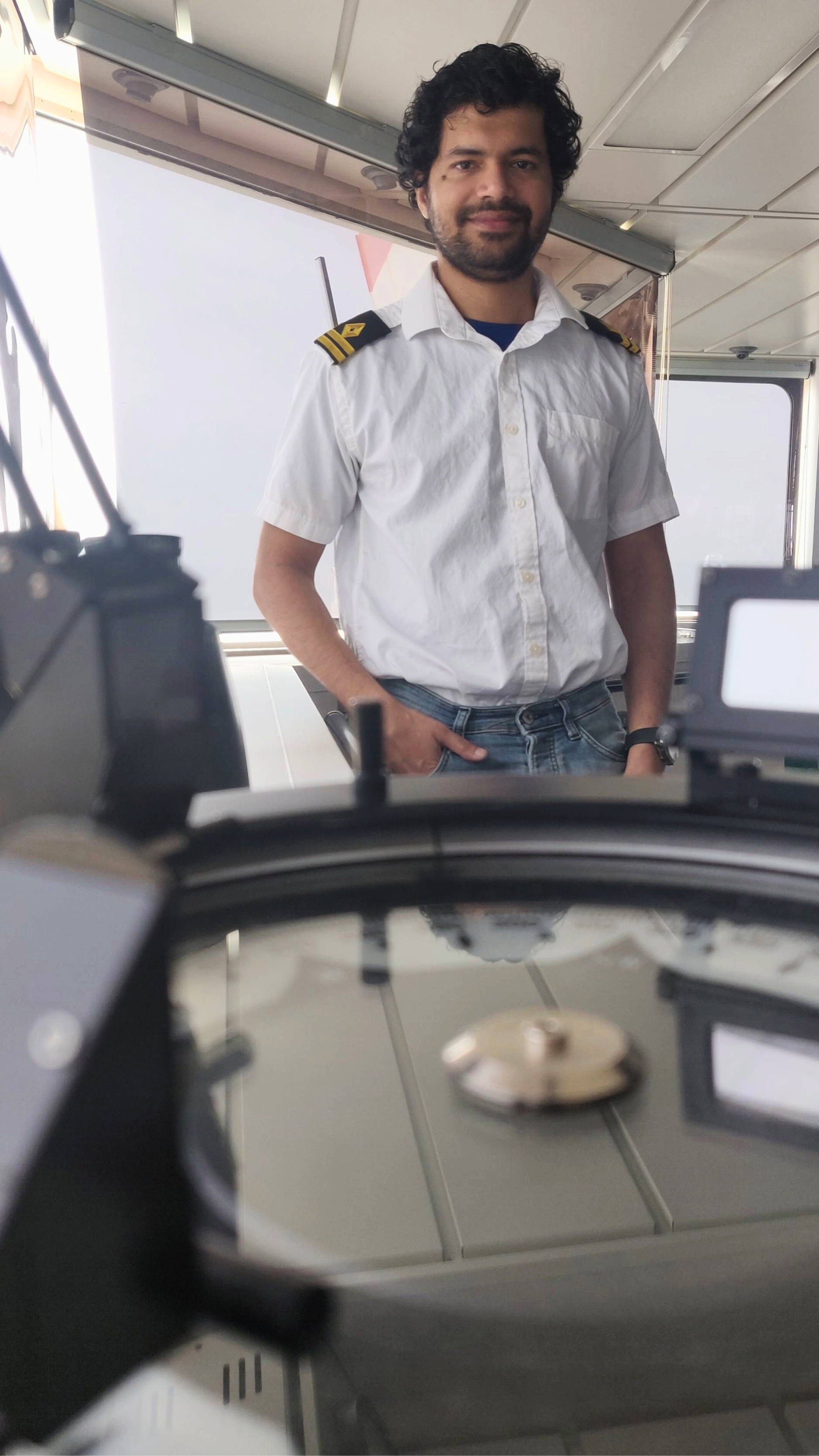
Stephen Gomes knows what it's like to be on the receiving end of a routing recommendation. Before joining Sofar Ocean, he spent years at sea as a Second Officer on product, chemical, and oil tankers, then moved ashore into voyage optimization and commercial routing. That path, from the bridge to the desk, shapes how he approaches every voyage he works on now.
Stephen also holds a German MBA in International Management, adding a commercial and analytical layer to the practical knowledge he built at sea. At Sofar, he applies that combination to help customers improve schedule reliability and vessel performance, manage weather risk, and optimize fuel consumption through proactive marine weather routing and continuous monitoring.
When conditions are dynamic, the key factors are forecast accuracy, vessel-specific performance characteristics, and the commercial priorities of the voyage. Balancing safety with efficiency is critical - this includes evaluating sea state, wind patterns, and currents alongside speed-consumption trade-offs, ETA commitments, and any operational constraints such as ECA exposure. Continuous monitoring and timely adjustments are essential to stay ahead of developing risks.
Vessels today face increasing challenges from volatile weather patterns, tighter commercial schedules, rising fuel costs, and stricter environmental regulations. Additionally, there is growing pressure to meet charter party performance requirements while maintaining safety.Routing helps address these challenges by providing forward-looking insights and scenario-based planning. By identifying weather risks early, optimising routes for fuel efficiency, and aligning voyage execution with commercial objectives, routing enables better decision-making. It also supports compliance with environmental regulations and helps minimise deviations, ultimately improving both operational and commercial outcomes.