Good routing isn't just about picking the fastest path from A to B. It requires synthesizing live meteorological and oceanographic data with a vessel's specific capabilities and constraints, then translating that into clear, actionable guidance that crews and operators can trust. When forecasts shift and windows narrow, Sofar Ocean's routing team draws on rigorous scientific training, real-time marine intelligence, and constant communication to keep vessels safe and voyages on track.
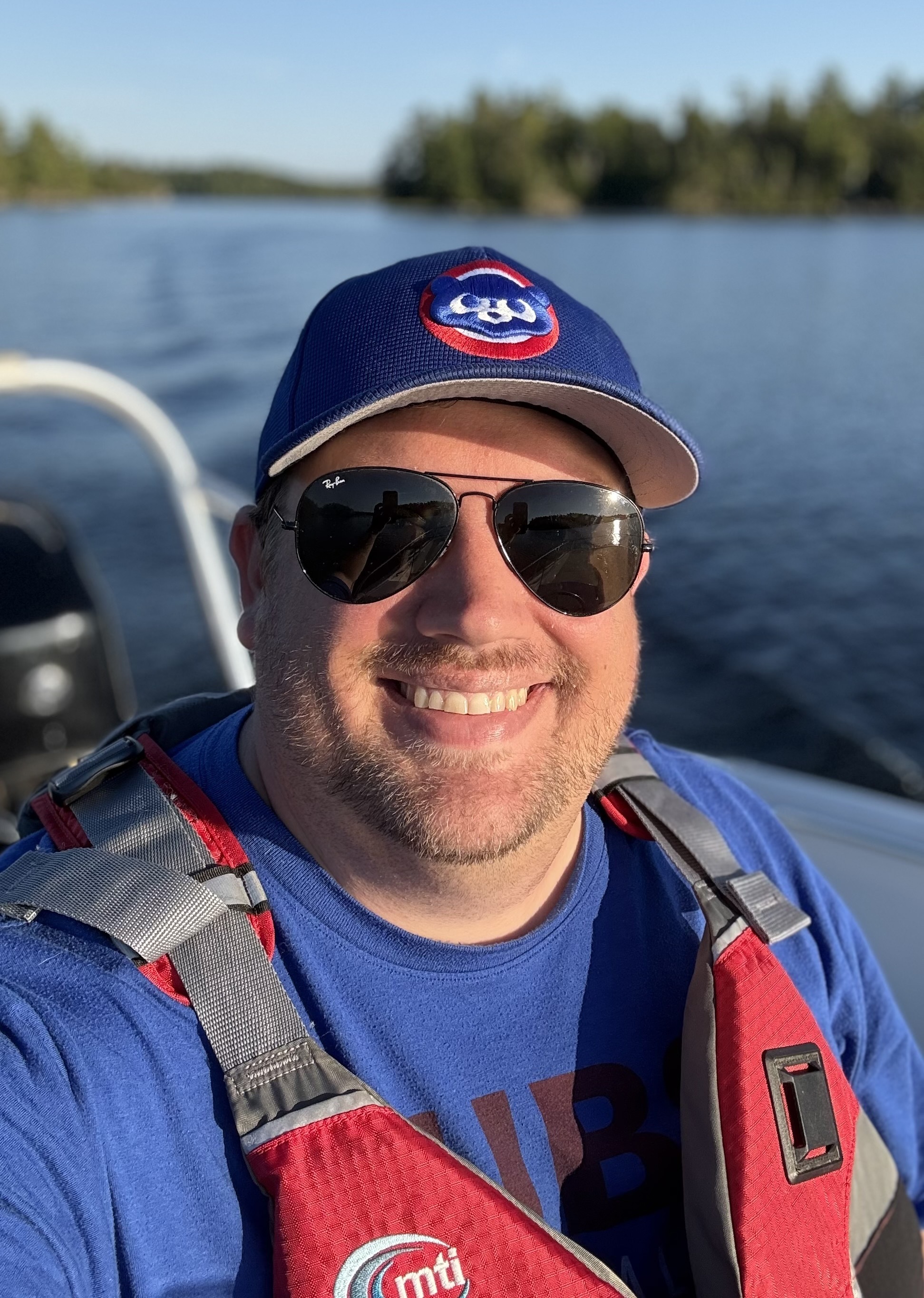
Drew brings a strong foundation in oceanographic science, with much of his career dedicated to the analysis and application of operational forecasting. Before joining Sofar Ocean, he worked to support the safe and efficient relocation of offshore energy assets. Drawn by the company's mission to make ocean data accessible and actionable, he joined Sofar Ocean to work on some of the most complex challenges in the shipping industry.
At Sofar Ocean, Drew channels that background into routing guidance built on realistic assessments, reliable forecasts, and close coordination with both vessel crews and shoreside teams. For him, the most rewarding part of the job is knowing that his work supports safe passages and efficient operations across one of the most critical and complex industries in the world.
I initially encountered Sofar through the use of Spotters to collect of oceanographic data. As I learned more about the company’s mission to unlock ocean data and the efforts to harness this information in support of better voyage optimization, it was a clear fit.
Maritime shipping plays a pivotal role in the global supply chain, and it’s rewarding to know that my efforts support safe operations in this arena. I take pride in producing safe routes that avoid adverse weather and reduce fuel consumption while still promoting on-time arrival.
A clear understanding of a vessel’s capabilities and safety requirements is key to delivering realistic guidance with a reliable forecast. Safety is always paramount in these situations, and maintaining early, open, and consistent dialogue with vessel teams and shoreside stakeholders promotes improved situational awareness and timely route adjustments.
Maritime teams balance complex schedules, ship time, and fuel usage against an ever-evolving backdrop of meteorological and oceanographic conditions. Changes in the forecast can complicate a vessel’s ability to meet voyage goals while potentially introducing safety risks to crew and cargo. Constant monitoring and daily routing guidance ensure that shipboard personnel and shoreside partners have the right information to make informed decisions to support safety, efficiency, and schedule compliance.