Chad Noble has spent his career in the intersection of software engineering, infrastructure, cybersecurity, DevSecOps, and federal and defense work, walking into complicated environments and figuring out how the pieces fit together.
Now, leading software efforts for Sofar Ocean's federal business, he's focused on extending capabilities Sofar has already proven in the commercial maritime world to a very different set of government and defense problems.
We sat down with Chad to hear what drew him to Sofar, what he's building, and why the hard problems are the ones he enjoys most.
Ha. A little all over the place, honestly.
I've spent most of my career somewhere in the messy intersection of software engineering, infrastructure, cybersecurity, DevSecOps and federal/defense work. Usually walking into complicated environments, figuring out how all the pieces actually fit together, and then trying to make them work better.
Over time I've probably evolved from being the guy primarily building or securing the thing, to asking annoying questions like "why are we building this in the first place?" and "who actually has to use this?" I still like getting my hands dirty technically, but these days I spend a lot more time connecting dots between engineers, users, systems and the actual mission.
Basically, I like hard problems. Especially the ones that don't fit neatly into somebody's swimlane.
I've spent a lot of my career around defense technology, but not really the maritime world. Once I started understanding the problems Sofar was working on, and just how much of the planet and our lives are affected by this giant moving thing we still don't completely understand, I was hooked.
Then I started seeing all the pieces Sofar already had: this massive observation network, ocean data, forecasting, vessel performance, routing and optimization, and some ridiculously smart scientists and engineers behind all of it. You start looking at that toolbox through a defense and national security lens and it's pretty hard not to start thinking about what else you could build with it.
That's what made me say yes.
I'm excited about taking something that's already delivering tremendous value in the commercial maritime world and asking, "Okay…what else can we do with this?"

I'm leading software efforts for Sofar's federal business, which basically means taking capabilities Sofar has already proven in the commercial maritime world and figuring out how we extend and adapt those capabilities to some very different government and defense problems.
And that's where it gets interesting.
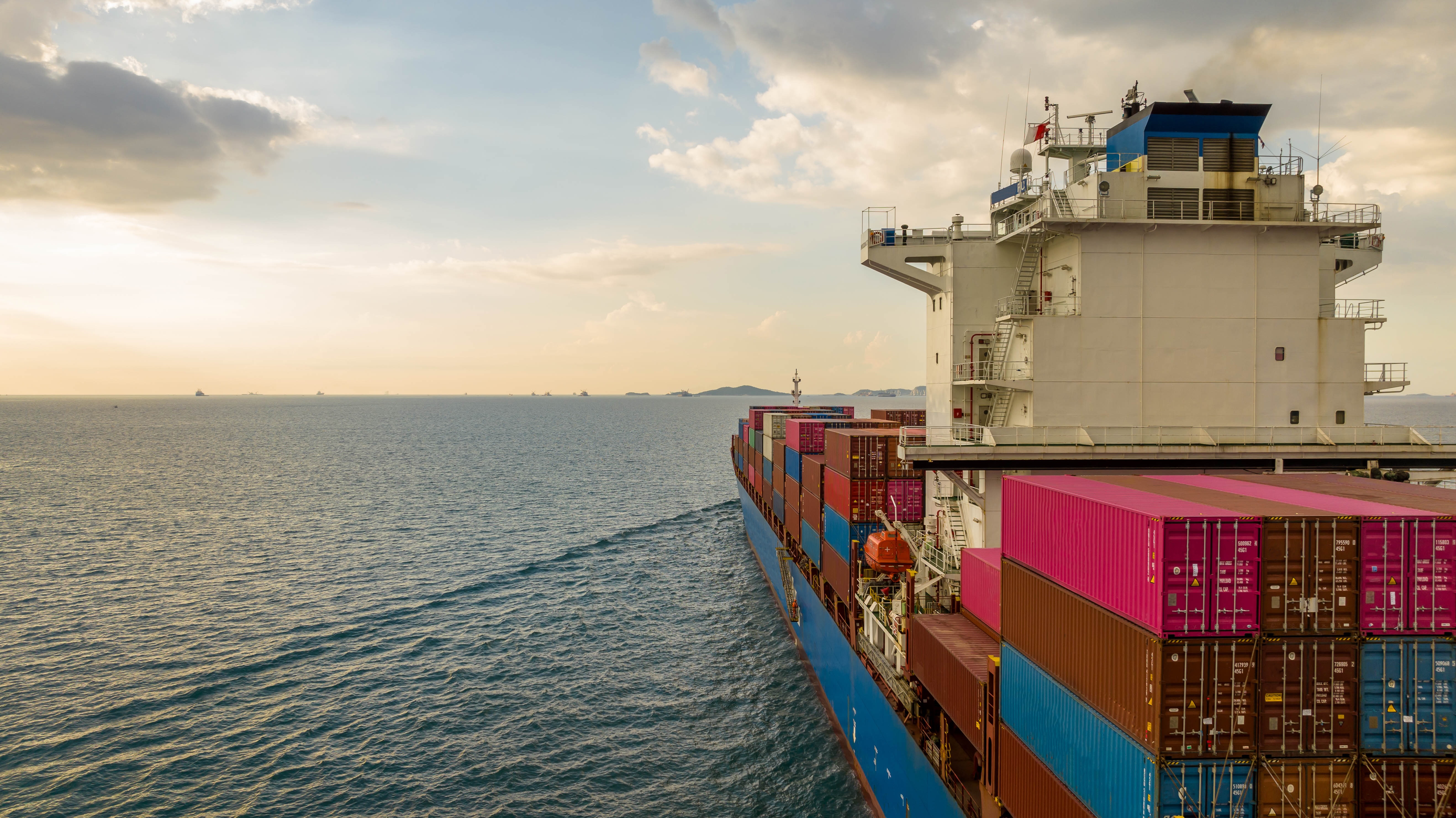
The ocean obviously doesn't care whether you're operating a commercial vessel or a Navy ship, but the mission, constraints, systems, networks and decisions absolutely do. We aren't starting from scratch here. Sofar already has this incredible foundation of ocean observations, forecasting, vessel performance, routing and optimization. My job is helping figure out how we build on that foundation for users operating in a very different environment.
Some of the questions still sound deceptively simple: Where should I go? When should I go? How fast should I go? What's the ocean going to do to me along the way? But now we get to layer in mission requirements, security constraints, different vessel types, disconnected environments, government infrastructure and a whole bunch of other fun stuff.
We're not trying to reinvent what Sofar already does really well. We're figuring out how far we can extend it, what new problems we can solve with it, and ultimately how ocean intelligence can help somebody make a better operational decision.
I think people sometimes hear "ocean data" and picture a bunch of numbers on a screen somewhere. That's obviously part of it, but the data itself isn't really the point. It's what we can do with it.
The ocean doesn't sit still.
The decision that looked right when you left port might not be the right decision tomorrow morning. Real-time observations help tell us what's actually happening, forecasting helps tell us what we think is going to happen next, and then you start combining that with the vessel, where it needs to go, what it needs to accomplish and whatever constraints the crew is operating under.
Now we're not just talking about weather. We're talking about decisions.
Do I change course? Change speed? Leave earlier or later? Is the route I planned yesterday still the best route today? Can I avoid something that's developing? Can I take advantage of something the ocean is giving me? Can I get there using less fuel without sacrificing the mission?
There's an enormous amount of science, data and engineering underneath those questions, but ultimately I think the value is pretty simple:
Data is interesting. A better decision is useful.
Probably the messy stuff. That's where I've always had the most fun.
There's this last 10% of engineering that somehow turns into 90% of the actual problem. We have great science, an incredible amount of ocean data, proven commercial products, great engineers and some really impressive technology. Cool…now let's take that toolbox into a completely different environment and see what problems we can solve.
Because government and defense bring a whole new collection of fun challenges with them: different users, different vessels, different missions, secure networks, disconnected environments, cybersecurity requirements, legacy systems and plenty of stuff nobody thought about when the original diagram was drawn.
That's my kind of problem.
What probably excites me most is connecting worlds that historically haven't always connected very well: science, software, infrastructure, cybersecurity and actual operations. I'm a big believer that the interesting stuff happens in the seams between those things.
If we get that right, we're not just building another piece of software or another dashboard. We're extending something Sofar already does extremely well into a new environment and hopefully helping people understand the ocean around them a little better and make better decisions because of it.
That's pretty damn cool.