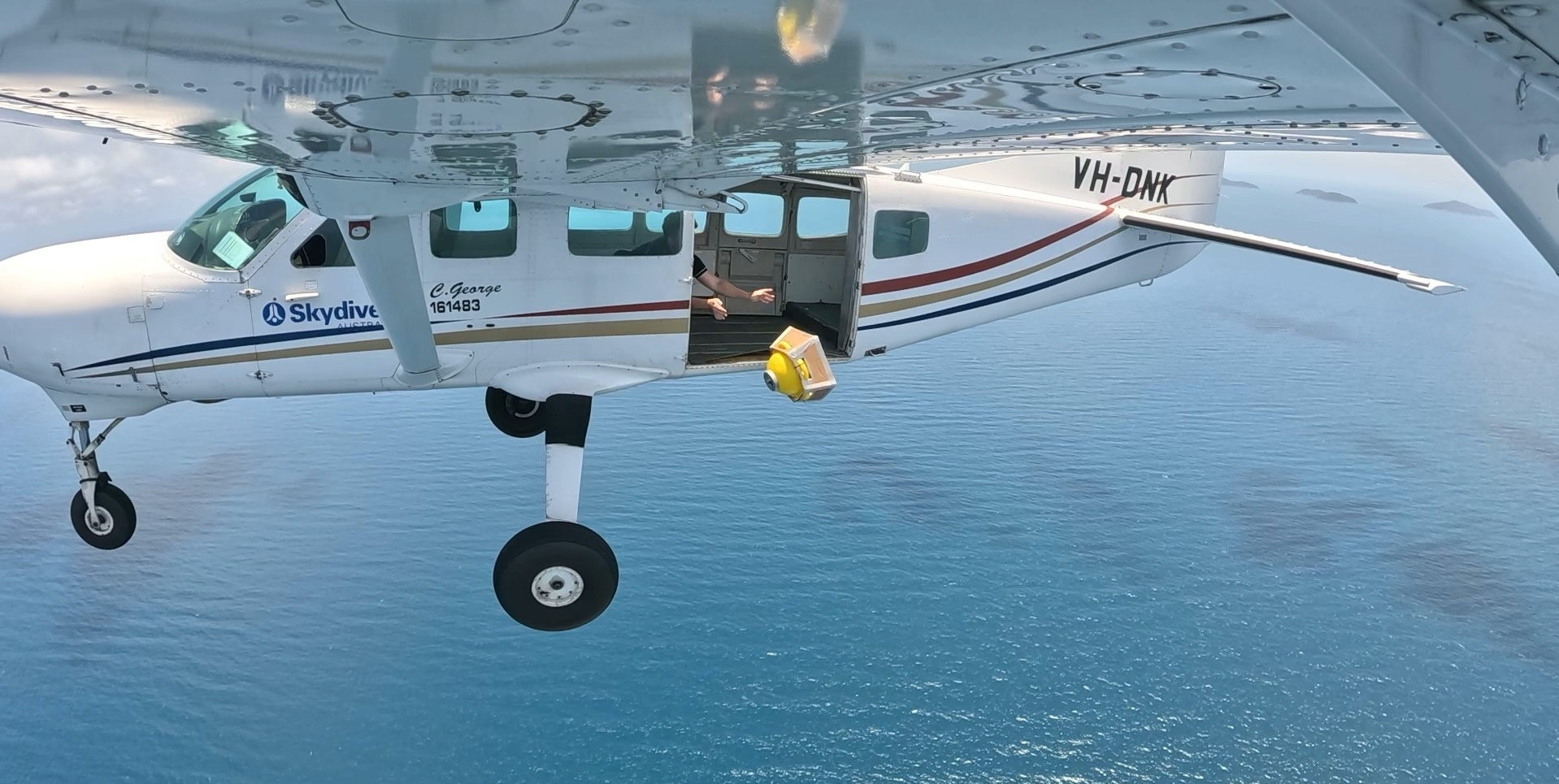

Continuous ocean monitoring informs everything from offshore energy development to coastal resilience and marine conservation. Moored buoys work well in coastal waters where the depth is manageable and the infrastructure is affordable. But as you move into deeper water, moorings become increasingly expensive and operationally complex. At a certain depth, the mooring itself can cost more than the sensors attached to it. For projects that need data for weeks or months rather than years, permanent seabed infrastructure is hard to justify. As a result of these constraints, large stretches of the ocean remain out of reach.
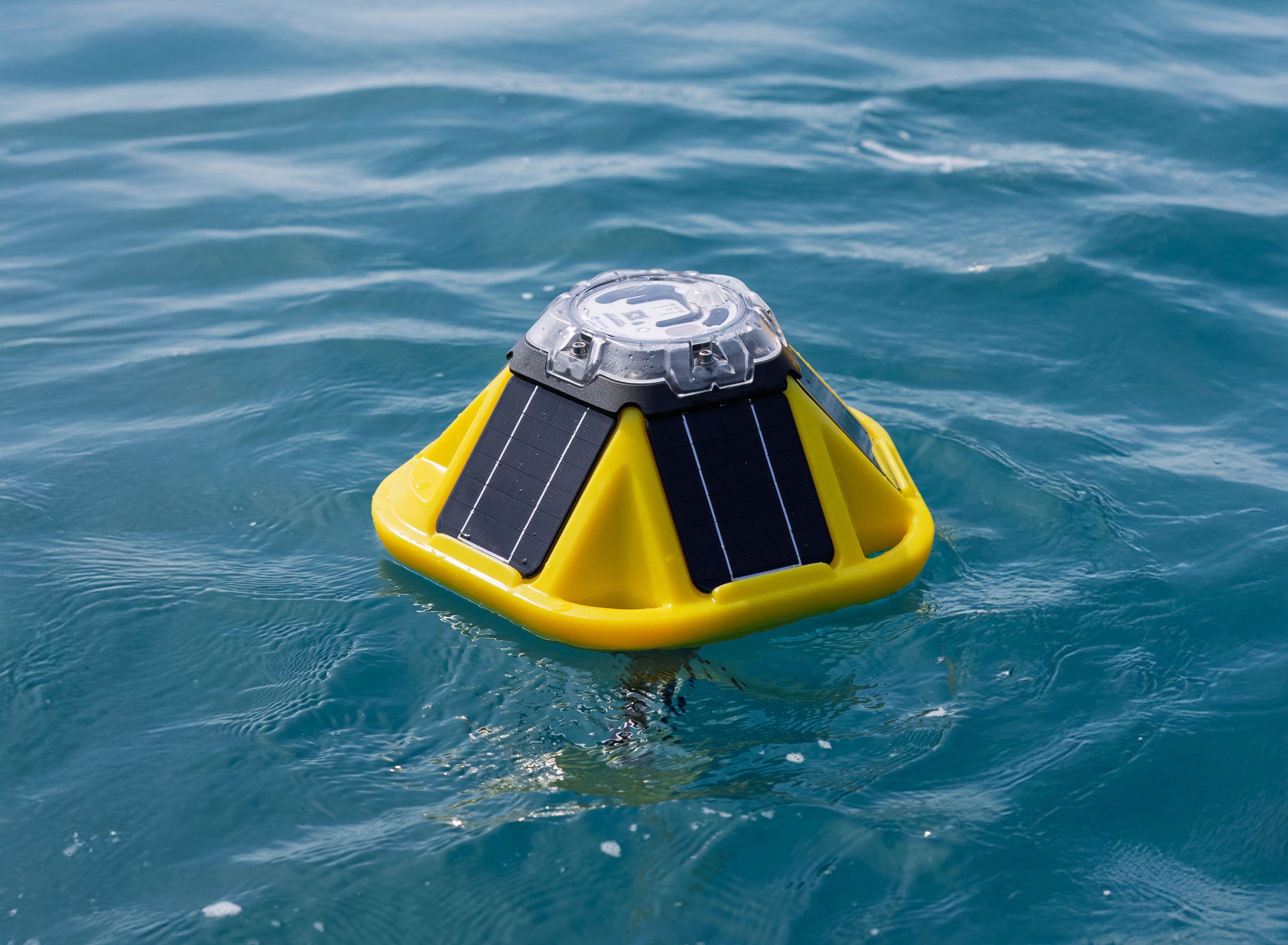
Spotter Scout, currently in beta, is the mobile version of the Spotter platform: a solar-powered uncrewed surface vehicle (USV) that brings trusted Spotter sensing to locations where moorings aren't practical. Built by Online Oceans, a UK-based marine robotics company, Scout pairs their long-endurance USV with Sofar's proven sensing, data, and platform layer. It is, in the simplest terms, a Spotter you can position. Scout delivers data to the same Spotter Dashboard and API that Spotter buoy customers already use, and supports the same Bristlemouth-compatible sensors, making them portable across systems, projects, and use cases.
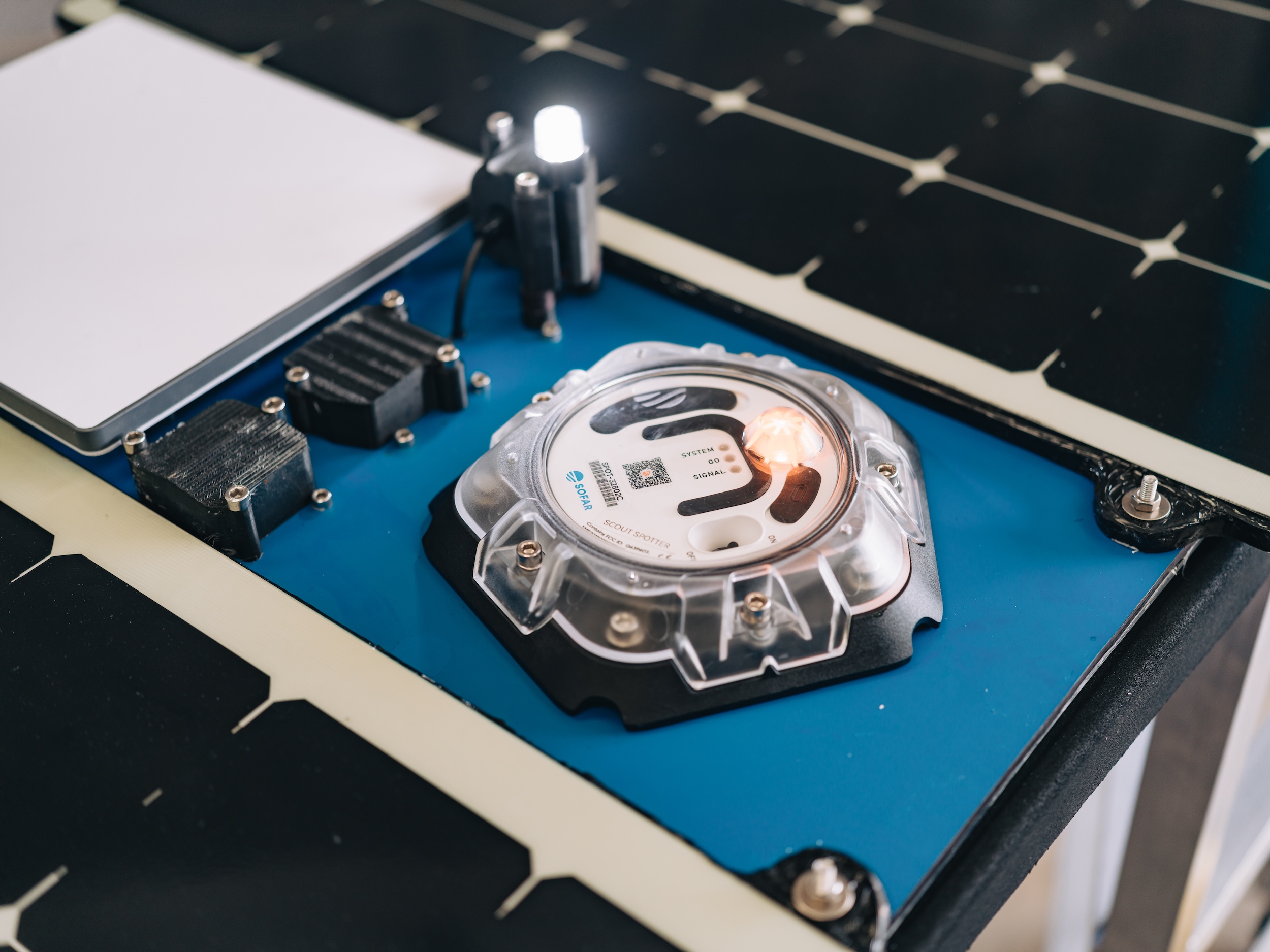
Keeping a vehicle at sea for months means solving a few problems at once. The first is energy. Spotter Scout is solar-powered, with a 340W array and 2kWh battery that enable indefinite operation in good sunlight and 6+ months in low-sun conditions. No fuel, no battery swaps, and only occasional service required to keep it running.
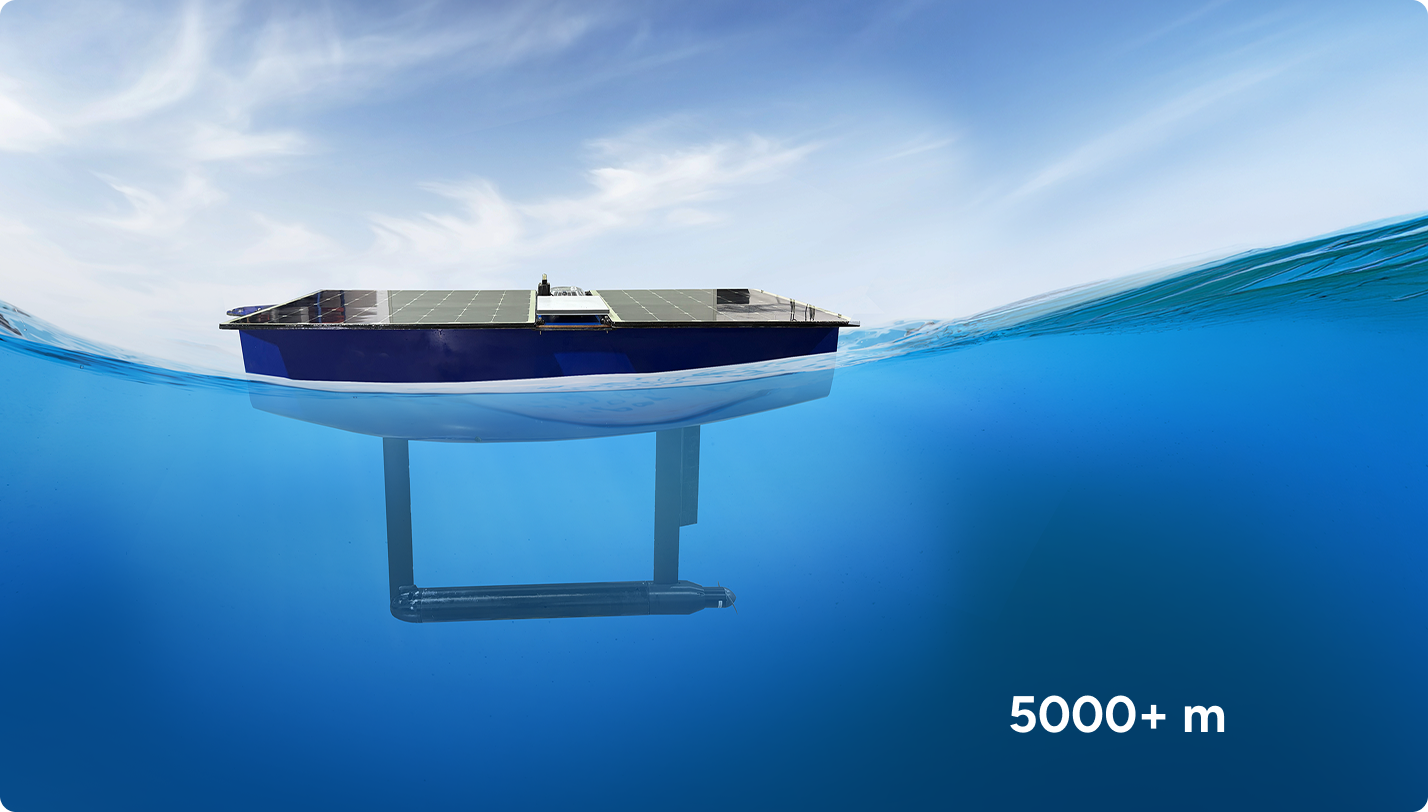
Then there's durability. Scout is designed to operate in Sea State 7-8 and survive Sea State 9. Its hull is open to the ocean by design — water enters and drains freely, so there is no sealed air volume to lose if the hull is damaged. A keel-mounted battery beneath the hull gives Scout a low center of gravity, so if a breaking wave flips it, it self-rights. And the propulsion system consists of just two moving parts, reducing the mechanical complexity that typically shortens long deployments.
At 2.5 meters long and 80kg, Scout fits in a standard van and launches from a slipway or small boat without specialized crew. Once at sea, operators manage Scout through Tether, a browser-based command center for planning missions, setting waypoints, and piloting the vehicle remotely from anywhere with an internet connection. An onboard HD camera streams live video via Starlink, providing real-time visual awareness of conditions at the vehicle.
.png)
When you need long-dwell monitoring at a fixed location but can't justify a deep water mooring, Spotter Scout provides an alternative. Configure a station keeping radius anywhere from 50 meters to 10 kilometers, and Scout holds position for months with no seabed infrastructure. During station keeping, Scout drives to the center of its configured area, then shuts off the motor and drifts while collecting data. It only motors again when it reaches the edge of the radius, maximizing time in low-power drift mode. This is particularly valuable for offshore wind site characterization, pre-installation environmental surveys, and offshore weather monitoring stations. It eliminates mooring hardware entirely, along with the vessel operations required to install and later retrieve it.
Lagrangian drift studies, where instruments follow currents to track phenomena like harmful algal blooms, pollutant dispersion, or surface transport patterns, are important across oceanography and environmental monitoring. But traditional drifting buoys are effectively disposable. You deploy them, they drift, and they're either recovered at significant expense or lost entirely. Spotter Scout offers a different model: deploy it as a drifter, let it follow currents and collect data along the way, and when the mission is complete, command it to return to its launch point or any designated recovery location. One asset supports many drift missions, eliminating the cost of disposable drifters and the logistics of retrieval vessels.
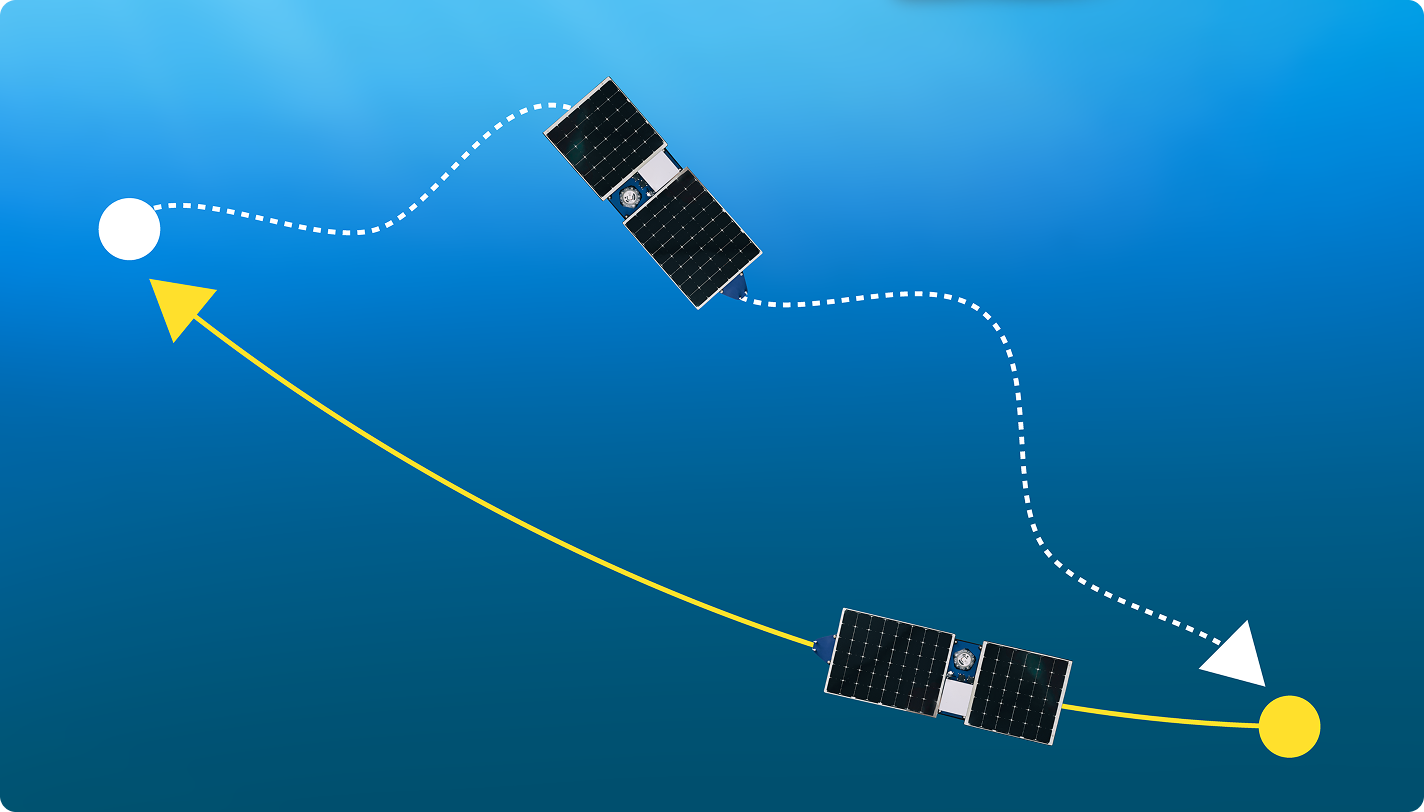
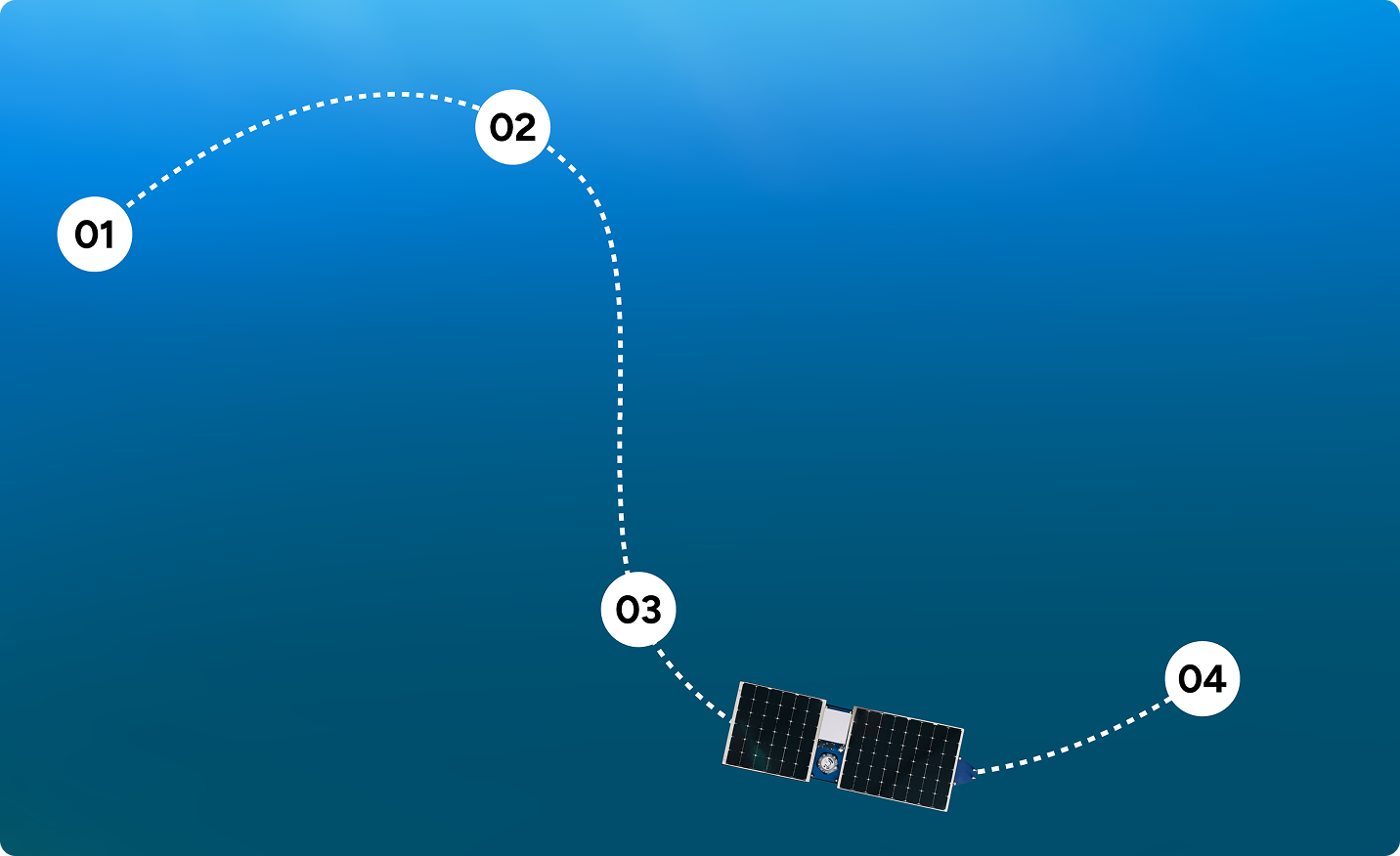
Fixed sensors provide excellent temporal coverage at a single point, but ocean conditions vary spatially. Waves, currents, and temperatures can differ meaningfully across a region, and deploying enough fixed buoys to capture that variability is often prohibitively expensive. Spotter Scout addresses this by transiting between locations to measure spatial gradients, filling in the spaces between fixed Spotter buoys in an existing network. It can survey prospective deployment sites before you commit to a permanent installation, cover a lease area or marine protected area with repeated transects, and execute multi-waypoint missions with configurable loiter times at each stop. For organizations already operating Spotter buoys, Scout adds mobile coverage that complements their fixed infrastructure.
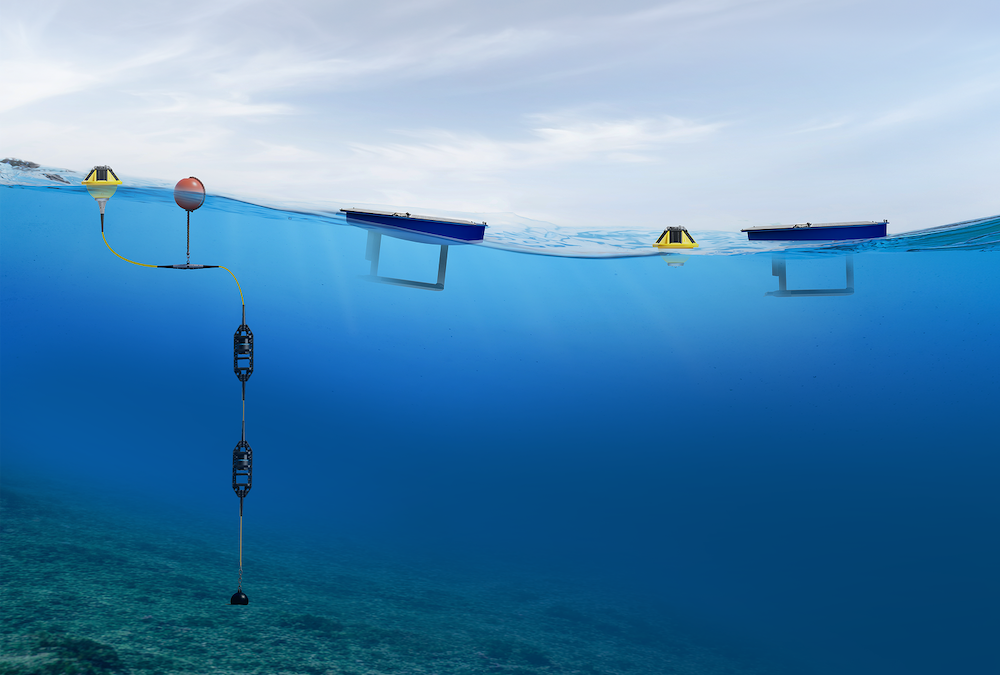
The Spotter buoy with Smart Mooring has made coastal ocean monitoring simple, reliable, and scalable. Free-drifting Spotter buoys have extended that reach into the open ocean, but with real limitations when it comes to positioning and recovery. Spotter Scout closes this gap. It brings the same Spotter sensing to deeper water and more remote locations, with the ability to hold position, execute missions, and return when the job is done.
With Scout, the Spotter platform now covers coastal, open ocean, and everything in between. Fixed buoys and mobile vehicles, surface observations and subsurface sensing, all managed in one place and moving closer to the spatial coverage and density that better ocean decisions demand. Explore the Spotter Scout product page to see the full specifications and connect with our team for a demo.
Note: Spotter Scout is currently in beta.