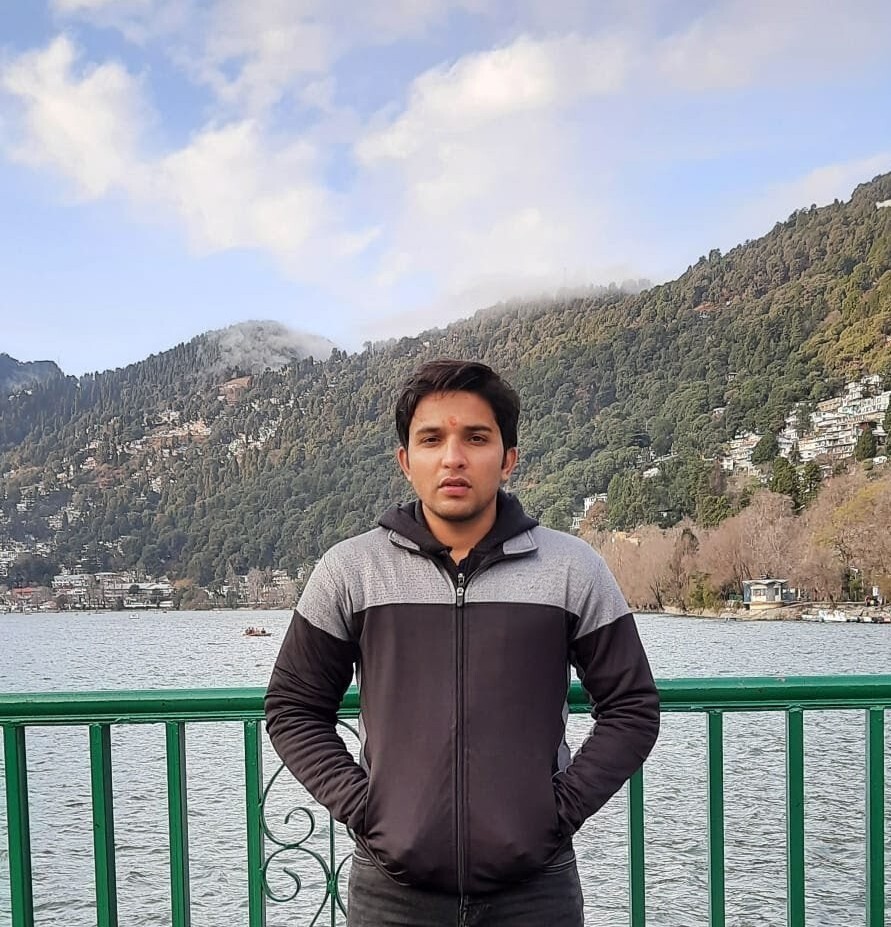
Akshay Chowdhary knows both sides of a routing recommendation. He began his career at sea with Anglo-Eastern, gaining a hands-on understanding of what a vessel and its crew experience in heavy weather. In 2021 he came ashore, joining Columbia Ship Management and moving into weather routing and voyage optimization. He has now spent more than five years in the field.
Since joining Sofar Ocean as a Routing Specialist in December 2024, Akshay has supported vessels through Wayfinder, bringing a seafarer's perspective to every recommendation and never losing sight of the crew on the other end of each route.
Sofar stood out to me because it pairs deep ocean data with genuine routing expertise. The network of Spotter buoys means we're not relying on models alone. We are working with real, in situ observations from the ocean itself. For someone who cares about getting routes right, that combination of better data and a team that understands ships was hard to pass up. I wanted to be where the science and the seamanship meet.
The most rewarding part is knowing that a good recommendation keeps a crew safer and a voyage more efficient. When you help a vessel avoid the worst of a system, arrive on time, and burn less fuel, you're making a real difference for the people on board and for the environment. Having been at sea myself, I never forget that there's a real crew on the other end of every route.
Safety always comes first: keeping the vessel clear of dangerous wind, swell, and the worst of any developing system. After that, I weigh the vessel's specific characteristics and limits, the confidence in the forecast, and the trade-off between time, fuel, and comfort. In fast-changing conditions, forecast uncertainty becomes critical. You have to think a few steps ahead and keep options open, rather than committing to a single track too early. Good communication with the Master is just as important as the data.
There's a lot of pressure right now to cut fuel and emissions while still hitting tight schedules, and the weather isn't making that any easier. On top of that, security has become a huge factor. With the attacks on merchant ships in the Red Sea and ongoing piracy concerns, a lot of vessels are now routing around the Cape of Good Hope instead of going through Suez. That adds days to the passage, more fuel, and a whole new set of weather and planning challenges along the way. Throw in commercial demands and changing regulations, and voyage planning gets tricky.
That's where routing earns its keep. With good forecasts, an eye on the security picture, and a real understanding of the vessel, you can find a route that's safer, burns less fuel, and is more dependable. It's not just about avoiding storms; it's about getting the whole voyage right.